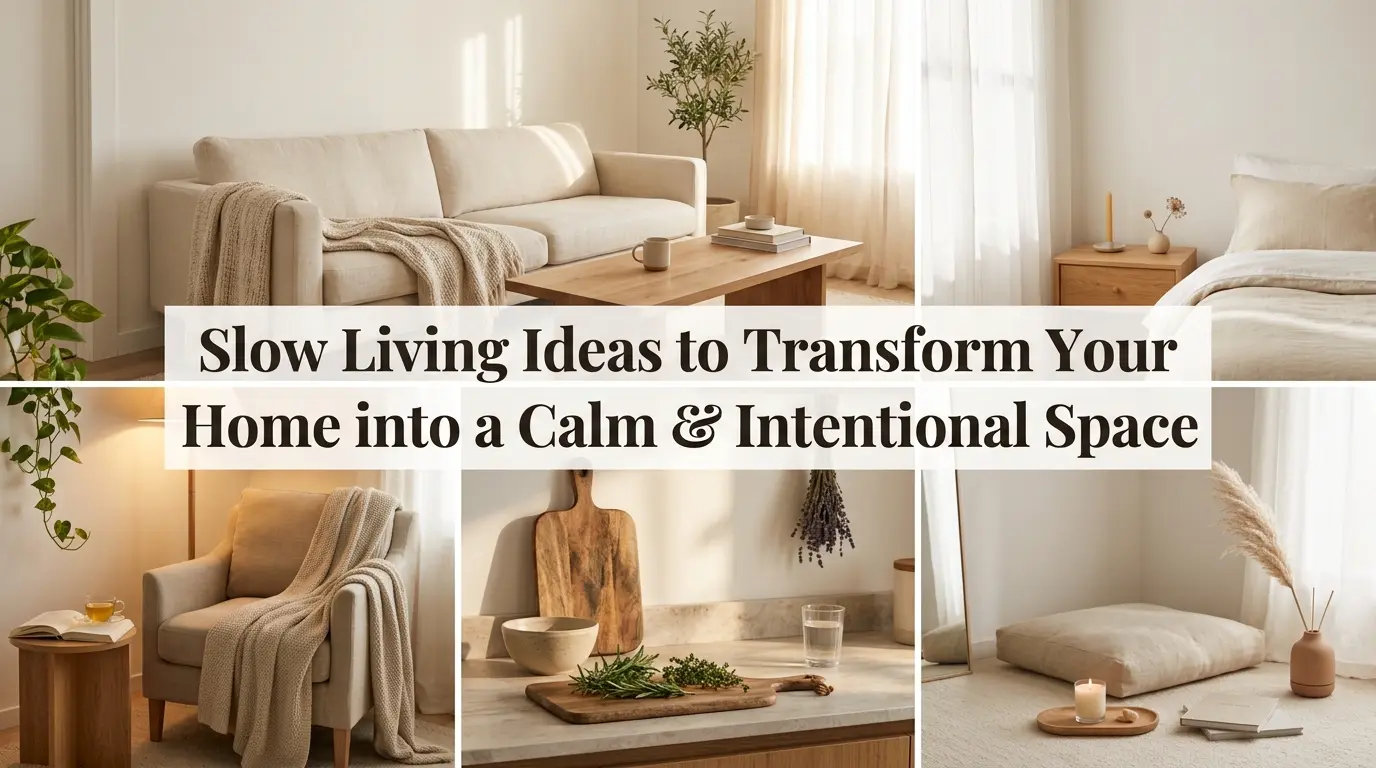

In today’s rapidly moving world, the need to embrace Slow Living is no longer merely optional, but imperative for our wellbeing and happiness. Creating a sacred space is one of the essential steps to begin your transformation into a peaceful way of life. By removing everything that is superfluous and leaving only the things that make you happy, you will turn your place of residence into a safe haven where you can relax and unwind. It is all about creating an environment in which you feel comfortable and at ease, allowing yourself to live mindfully and fully enjoy the present moment.
The creation of such an environment does not have to entail any costly renovations. Rather, the process begins with subtle alterations, from including natural elements and focusing on soft lighting to setting aside certain zones solely for relaxation purposes. From an inviting nook lined with flora to a dining room free of clutter that promotes longer discussions, every thoughtful step contributes to cultivating peace. Through the incorporation of Slow Living principles in your home, you will be laying the groundwork for a more harmonious and rewarding existence.
1. What Is Slow Living and Why It Matters for Your Home
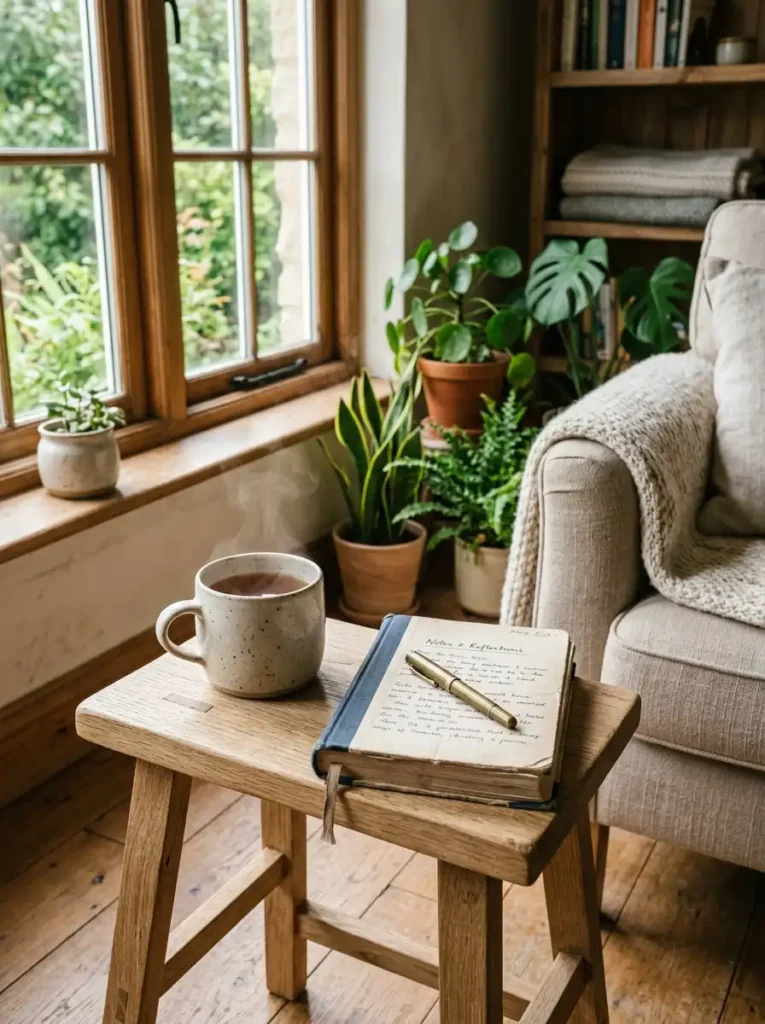
In essence, Slow Living is a lifestyle philosophy focused on quality rather than speed. In terms of the home, Slow Living is all about making an intentional effort to break away from the fast-paced nature of the modern world and concentrate more on the importance of connecting and being present. It means creating a place where you can stop and appreciate life’s simple pleasures. In such a way, your dwelling becomes a true sanctuary rather than a resting point for getting to other places.
And that is why it is of such vital importance in your house, since we are physically affected by our surroundings. In an unorganized home environment, we feed our stress, while, in a slow living environment, we feed our peace and tranquility. In that way, we will have the base for everything else in life through making conscious choices on what to bring into our home environment.
In conclusion, your house is supposed to be the foundation of all the things that matter. Your house will give you an opportunity to disengage from everything going on in the outside world and engage with yourself. Slow living does not mean compromising on comfort or beauty; instead, it means adding more intentionality to your surroundings. When you embrace intentionality in your environment and your daily activities, you become capable of leading a more balanced, happy life.
2. Declutter Your Space to Make Room for What Truly Matters
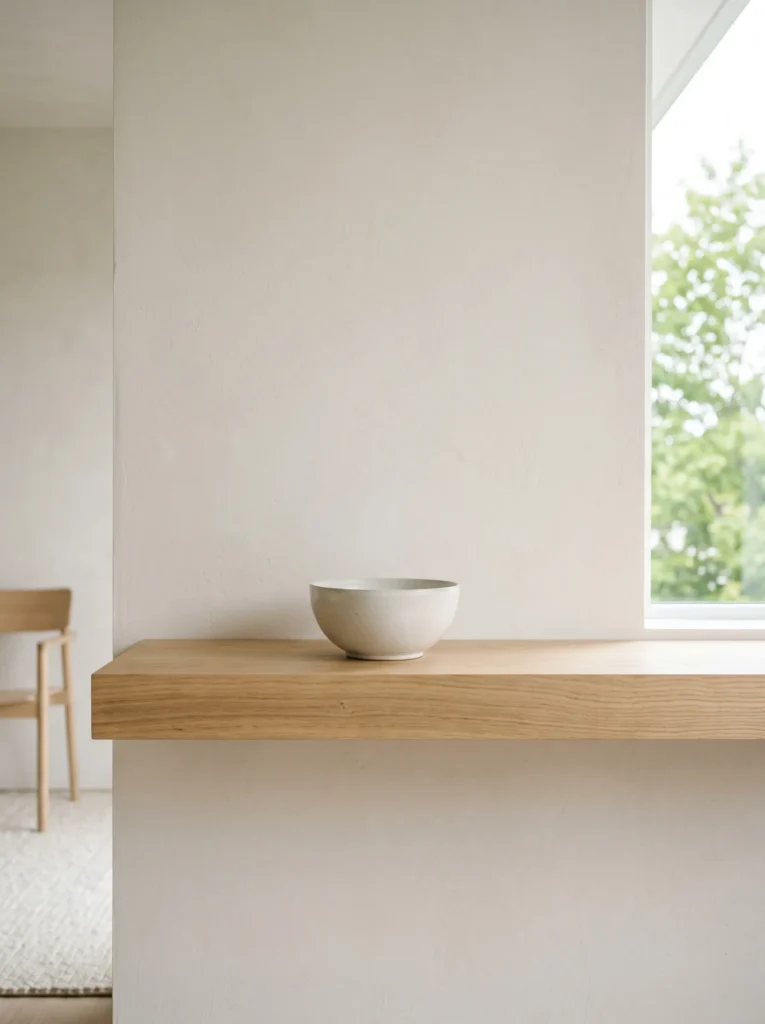
However, clutter is not only physical but also serves as one of the major sources of noise and chaos that hinder the achievement of inner peace within your environment. Decluttering is a fundamental aspect of making sure that you create an environment suitable for slow living practices. Through the act of purging yourself of objects which you no longer need or derive satisfaction from, you create an opportunity for silence within your surroundings. By removing those superfluous things which distract you from focusing on important aspects in life, you consciously allow what is truly valuable to take precedence within your life.
Looking at decluttering from an intentional perspective turns it into a powerful process rather than just another task. It lets you move away from thinking only about the accumulation of things and focus on their curation. When you start decluttering, you will start looking past the clutter and enjoying the room itself, its ability to breathe. Having a minimalist space does not mean it should be empty; rather, it means every object you keep has some value. The thoughtfulness of this process will help you create a peaceful atmosphere, allowing you to unwind.
3. How Natural Elements Bring Slow Living Into Every Room
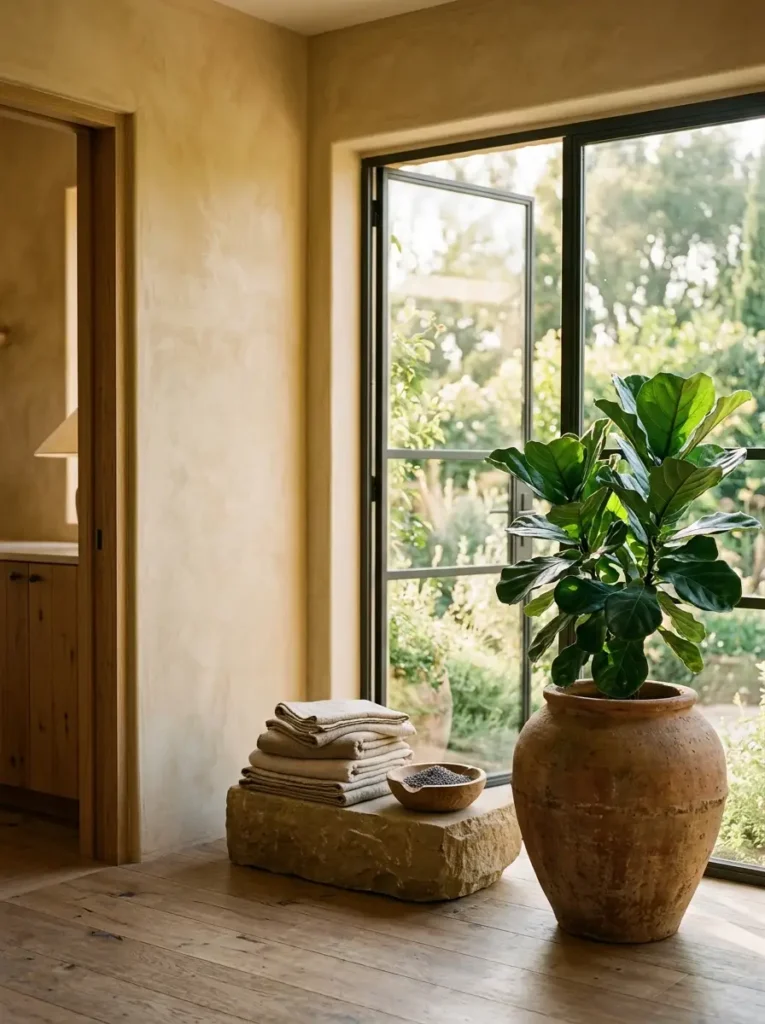
Incorporating nature inside your interior design plan is one of the most productive approaches for incorporating the concept of slow living into your immediate surroundings. Wood, natural stones, organic linen, and clay all have their natural warmth and connection to the earth, which cannot be mimicked by anything else. Bringing these materials into your home helps to create harmony between the outside world, full of chaos, and the inside of your house, which remains calm at all times.
By focusing on organic finishes, we are made to think carefully before deciding which decor items we should adorn our living space with. Instead of choosing disposable and fashionable decorations, why not try decorating with items that will become even more gorgeous with age and tell a story, like a finely crafted wooden side table or stone coasters? The use of plants within your home decor can serve as a natural element that cleanses the air, reminding us of how vibrant nature truly is. Not only are these objects visually appealing, but they also offer sensory pleasure and compel us to breathe deeply and contemplate what we see around us.
The overall ambiance in each room of the house becomes peaceful when these items are added. This decorating concept contributes to a slow living style by making one’s home a haven that feels like the earth. It is therapeutic because it envelops one in nature’s honesty and timelessness.
4. Soft Lighting That Sets a Calm and Peaceful Mood
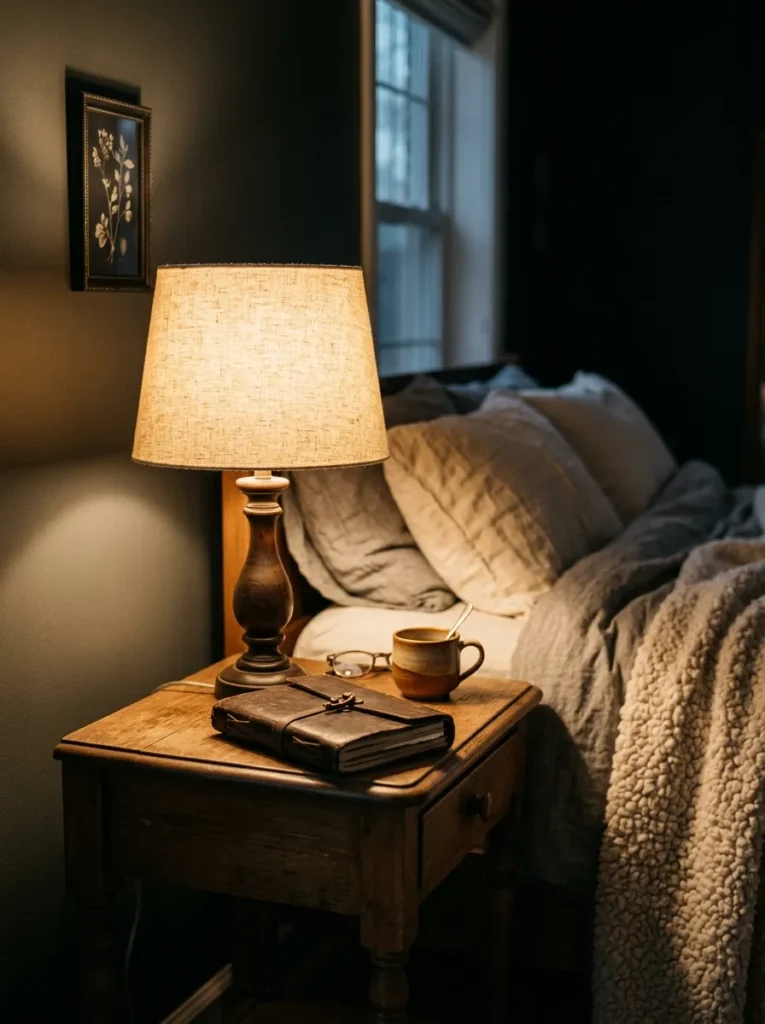
The lighting in a household could be argued as one of the most important factors when trying to create a serene environment in your house. To create the feeling of calmness, you will need to purposely avoid lighting fixtures that provide harsh brightness and that encourage tension in the eyes. Soft lighting can act as a buffer zone between a stressful working day and a relaxed evening at home. By switching off all the lights in your home after a long day of work, you are able to set your body clock back into a comfortable rhythm.
Incorporating slow living involves taking note of the above-discussed environmental cues. Changing from cold white LEDs to warmer lights can go a long way in achieving a serene environment in your home. Creating layers in your lighting through using various lighting sources and setting some of the lights on a dimmer switch will give you the option of choosing how much serenity to incorporate in your home. It also gives you the chance to create intimacy in your environment by having lights around the reading corner.
Ultimately, soft lighting is a form of consideration for both your sanity and your surroundings. It converts a room from being solely a place of function to a place of experience. Through the use of soft lighting via lamps, candles, and natural sunlight, you create a space that does not require constant movement. In this way, you ensure that your home will always be a haven in which you can live in a mindful manner, embracing all that comes with slow living.
5. Creating a Cozy Reading Nook for Quiet Moments
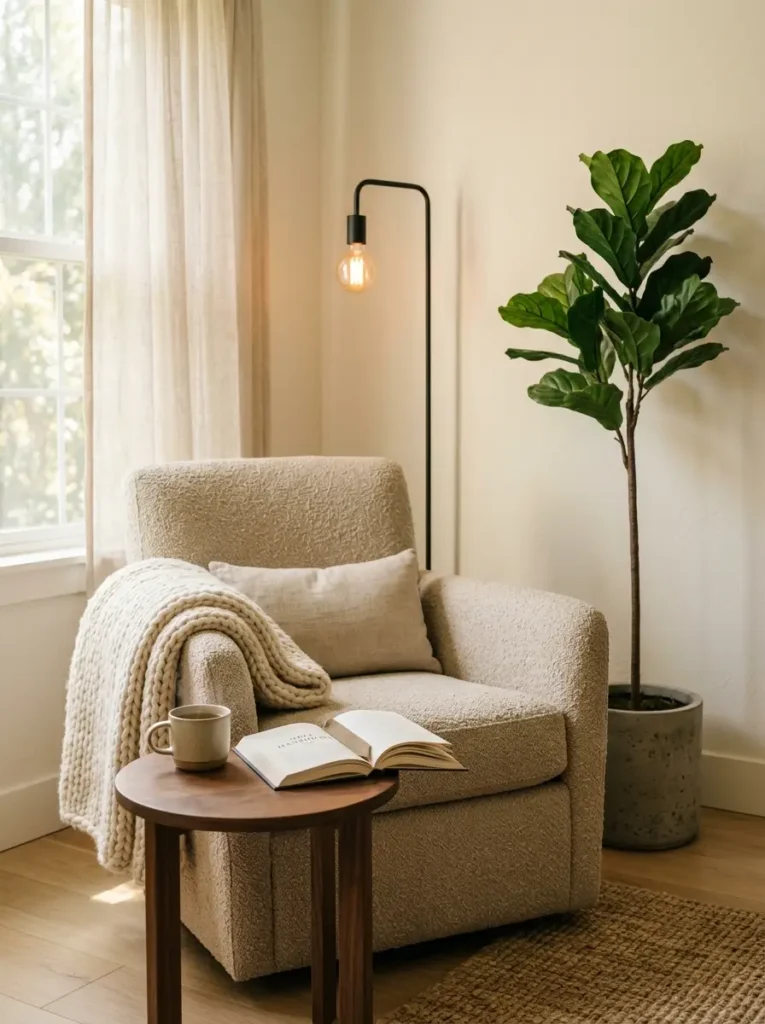
A reading nook isn’t merely a spot to sit in but rather a personal haven made specifically to promote stillness in the midst of an always bustling world. By having a specific place to curl up with a book and read, you are creating a designated spot that sends a message to the brain that you are ready to unplug and unwind. Such a designated space is particularly important for people who lead busy lives yet still have a penchant for slow living. The creation of such a space allows you to unplug from all technological devices and immerse yourself into a good storybook.
Creating such a space doesn’t have to be difficult nor extensive. All that one needs is a comfortable seating, dim yet pleasant lighting, and a little place to set a hot cup of tea. Make sure the place is completely empty so your mind can stay clear while you read. Styling a reading nook properly can easily be done by placing a throw blanket and some plants around the corner.
In the end, your reading spot must be an embodiment of your requirement for tranquility. It is an area where moments become hours filled with pure happiness. When you occupy your specially designed spot, you indulge yourself in leisure time, which is one of the basic principles of the slow living trend. In doing so, you turn your house into a series of spots that facilitate your mental well-being by offering you a serene retreat after each hectic day.
6. Slow Living in the Living Room – Simple Shifts, Big Impact
It is the living room where people tend to meet and communicate most, but an overcrowded living room full of devices and decorations will only create unnecessary tension in your house. Adopting slow living in this space means that you don’t necessarily have to undertake any significant renovations; rather, all you have to do is make some minor adjustments in order to make your room more relaxing and visually harmonious.
Begin by decluttering the surfaces in the room. Discard things that are not useful and add some unique objects that can bring you joy, like ceramics made by your hands or textiles with a natural texture. Consider the purpose of the room and whether it encourages communication and reading or is focused solely on TV. By changing the configuration of furniture, you may completely transform the atmosphere in the living room. Minor changes like installing a rug made from natural fibers or adding some live plants can also help.
Overall, all these adjustments will ensure that you regain your time. In an environment which is organized with purpose and not chaos, you automatically find yourself slowing down. With minimal visual disturbances and increased focus on comfort, the living room provides an ideal space for recharging. Through the concept of slow living, everything around you will support your state of mind and allow you to experience calmness and renewal wherever you are.
7. A Clutter-Free Dining Room That Encourages Longer Conversations
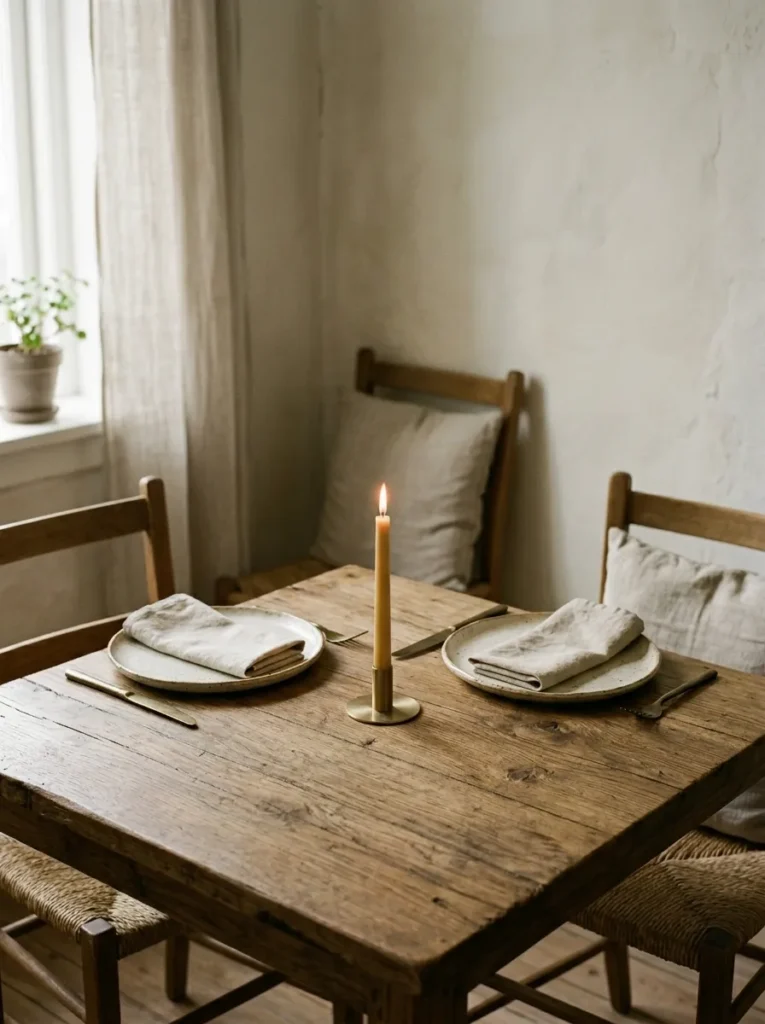
It is also common for the dining room to be the busiest part of the house since it serves dual purposes by acting as a temporary home office and an informal place to receive mails, making it difficult to utilize its primary function. It is crucial for the dining room to be free from clutter because this ensures that you create an atmosphere conducive to building connections. Once you eliminate distractions in the form of the presence of computers, papers, and other unnecessary items, you minimize visual and psychological distractions that would otherwise affect those in the room.
When this space is devoid of any distracting elements, one’s attention automatically shifts towards the food and people. Making this area a place for being there makes it easy for people to spend time there and engage in conversations that go deep. One does not need to eat quickly and then rush off to perform another obligation; rather, a peaceful atmosphere prompts one to stay and converse. Introducing basic but cozy additions, such as a beeswax candle and handmade ceramic pieces, also adds to the ambience while avoiding the introduction of any unnecessary clutter. Thus, this change helps to ensure that the dining area stays a place focused on food—physical and emotional nourishment.
8. Bringing the Outdoors In With Plants and Greenery
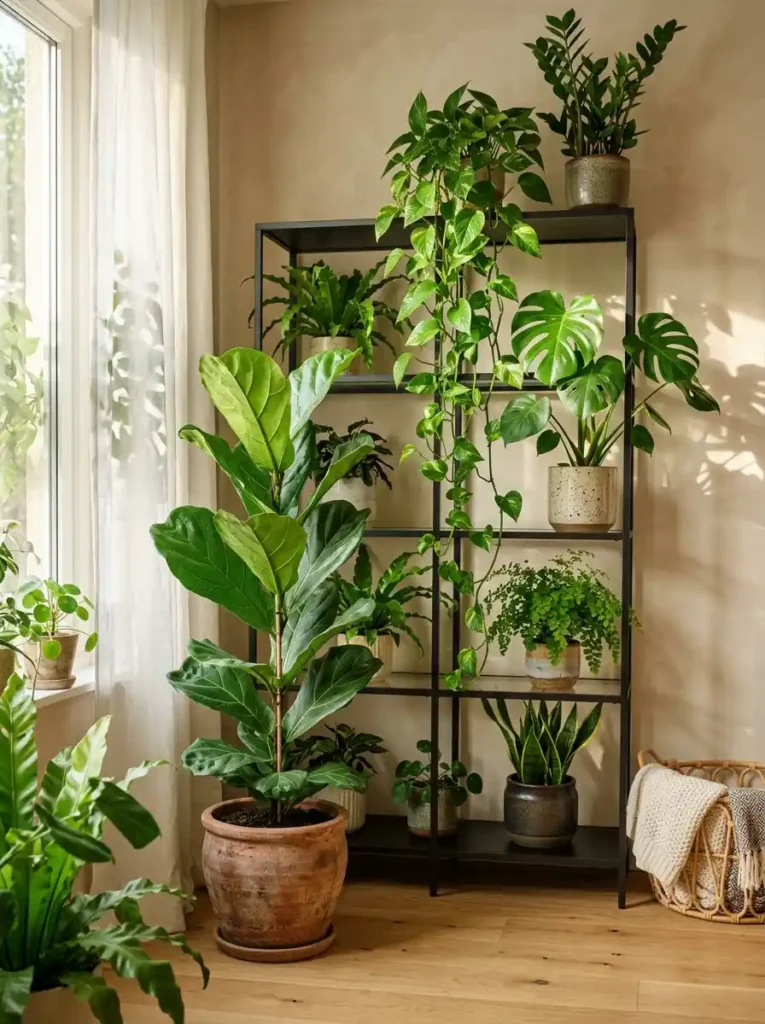
The use of plants and natural elements in the interior space is not only a stylish trend; it’s a return to a more organic and mindful way of life. Plants allow introducing a bit of vitality and relaxation to the home environment and soften the sharp lines. At the times when we spend all our time in front of screens, these elements remind us about the rhythms of nature that we tend to forget about. Plant care demands a slow approach because it takes time, attention, and dedication.
It can be regarded as a perfect embodiment of the ideas of slow living. Indeed, taking care of your plants implies being engaged in some activity that makes you relax and think carefully about your everyday choices. This is one more way of creating the right atmosphere and making your house more comfortable for you. With such plants as lavender, you’ll even have a chance to clean the air around, which means that you will feel better physically and mentally.
In conclusion, the incorporation of nature within the confines of your dwelling, either through a solitary and awe-inspiring tree or a variety of tiny succulent plants on your windowsill, will contribute positively to your holistic well-being. Your greener abode is automatically imbued with life and sustenance, thus serving as an oasis that shields you from the outside world. In making your dwelling your own sanctuary, you are laying down the groundwork for a harmonious slow living style.
9. The Slow Living Bedroom – Rest, Reset, and Recharge
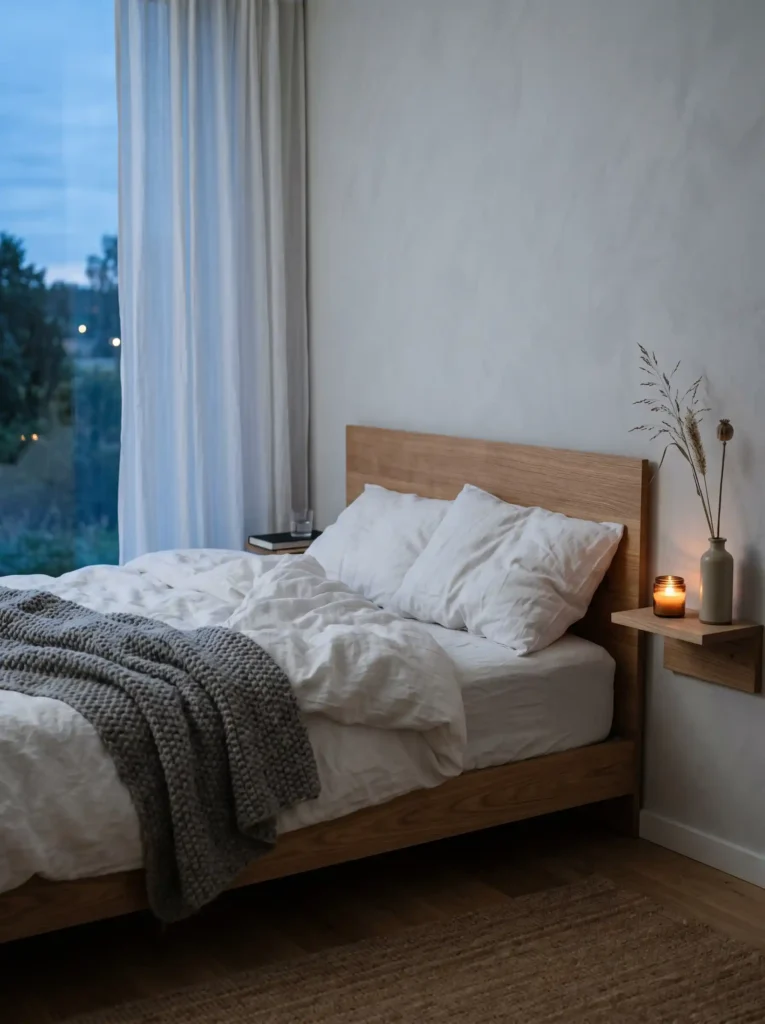
The bedroom needs to become the epitome of your personal sanctuary, an area devoted only to rest, recalibration, and rejuvenation. In an era that glorifies non-stop activity, constructing a place of rest that caters to the desire for stillness becomes nothing less than revolutionary. To design a slow living bedroom means to remove all those things that prevent you from truly letting go once night falls. In doing so, you create the ideal conditions for your body and brain to enter a state of complete repair.
Make sure the design of your sleeping quarters appeals to your senses. The bedding should be made of natural materials that allow your skin to breathe comfortably. Choose a neutral color palette that calms your nervous system and minimize the amount of gadgets and digital devices within reach. Eliminate blue light from the space entirely, using a dimmable warm lamp to help you relax and settle down. Let the outside air into the room and consider having a small table for reading purposes.
In conclusion, your sleeping quarters form the base for all your energy levels throughout the day. By considering your room within the framework of slow living, you recognize that rest is a productivity tool that is necessary for your wellness. Through minimizing the furniture and emphasizing functionality, you build yourself a sanctuary that will keep you safe from any disturbance. Your bedroom will help you end each day by appreciating everything that happened, making sure that you start your new day energized and prepared to face life.
10. Choosing Natural Textures and Materials Over Synthetic Ones
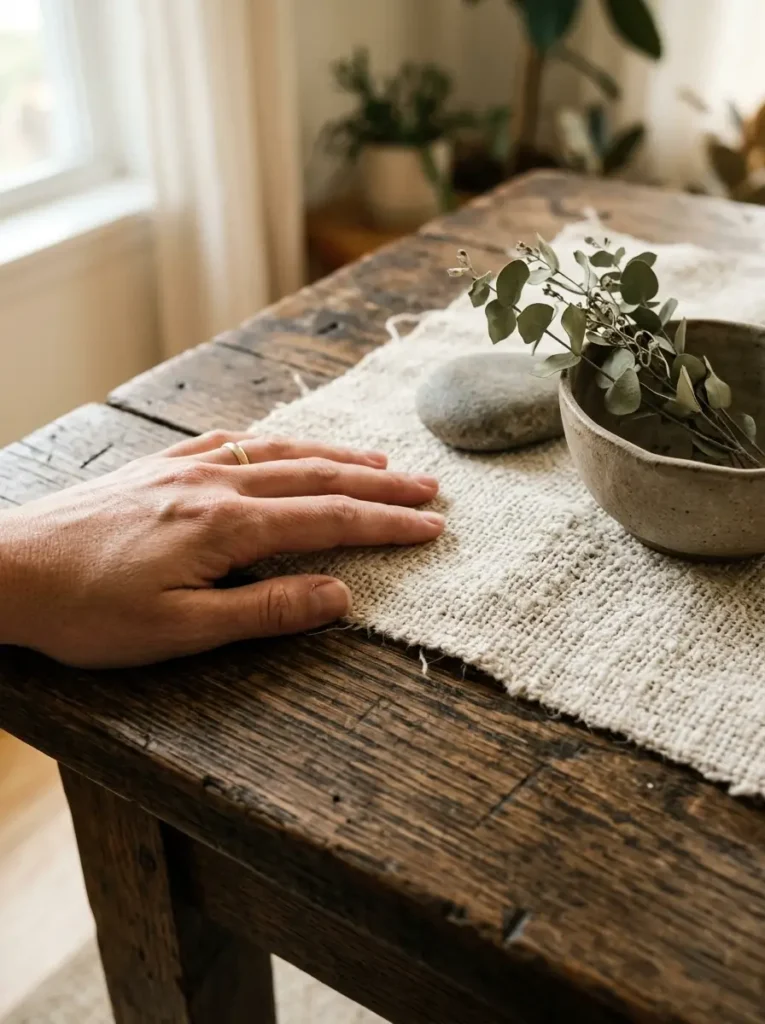
The use of natural materials, rather than artificial, can help change the atmosphere of your house into something more real. Living in a modern and industrially developed environment means being surrounded by many artificial things. Choosing natural materials such as wool, linen, wood, stone, and clay will be a good way to add a sense of authenticity to your place, making it closer to the natural environment. Natural materials “breathe,” age in beautiful ways, and provide people with a unique feeling that cannot be achieved with artificial products.
The use of natural items is essential to the concept of slow living. Being surrounded by artificial, fast fashion interior design objects often makes us treat them as disposable things, but choosing natural things changes this tendency. A wool throw can be a great example of such an object that provides people with warmth and comfort and is a great solution to make your leisure time more comfortable. The choice of honest materials allows one to decrease internal stress due to the fact that one lives in a place that does not evoke any positive feelings.
In the end, your home is the embodiment of how much you value your own health and wellness. Choosing natural materials creates a healthier space where clean air and comfort reign supreme. As a result of such careful consideration, each surface and item within your home serves as a gentle reminder to stop and take notice of the beauty in the here and now. With a focus on quality rather than cheap alternatives, you create a haven that not only soothes your senses but rejuvenates your spirit, embracing slow living at its best.
11. A Mindful Morning Routine Starts With Your Space
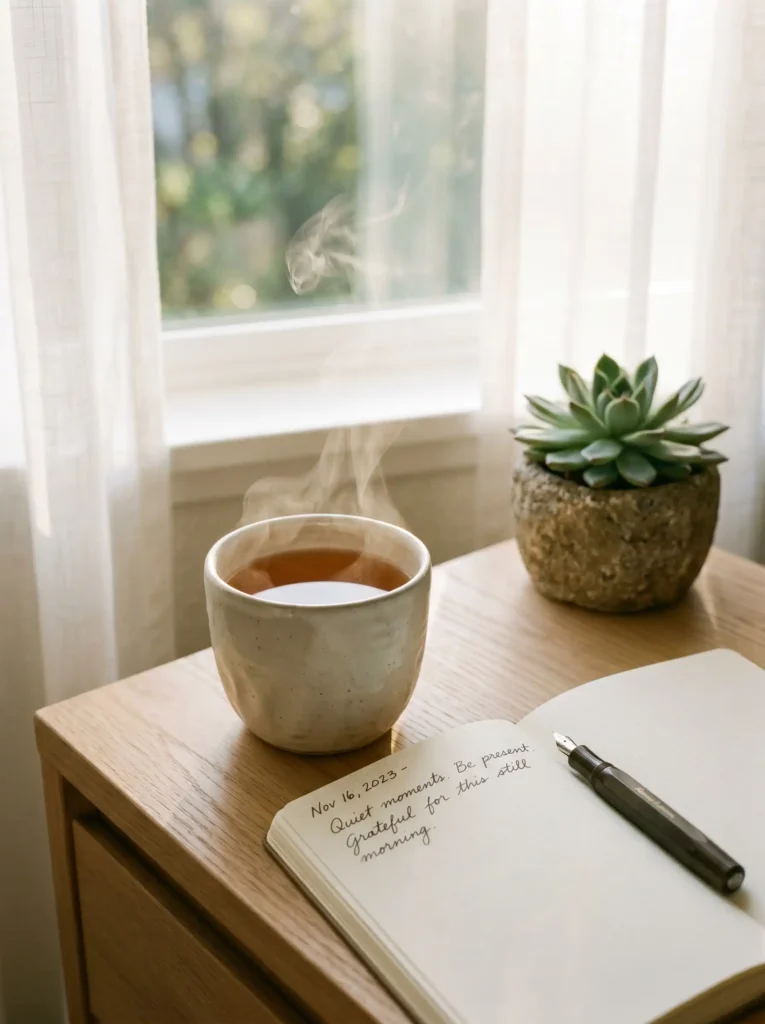
Morning is the most significant period of the day as it sets the tone for the whole day, but your morning can quickly turn into a chaos of activities due to the chaos around you. The moment when you wake up and pick up a phone from your bed and rush somewhere into your house in search of something is when you allow yourself to become stressed and overwhelmed right away. To have a more mindful morning routine, one should create an environment where you can start the day slowly and carefully.
By embracing slow living , we should understand that our environment plays a vital role in defining our inner state. You should stop rushing around and design a tiny ceremony in your bedroom or another place where you eat your breakfast. For example, it can be sitting near a sunny window drinking some tea or sitting in a special nook to write down thoughts. Thus, by preparing a certain environment that won’t distract you from your peace, you will find it easier to move from sleep to your activities.
In the end, your house turns out to be an invisible coach for your everyday behaviors. In creating a tranquil atmosphere from the very beginning of your day, you prepare yourself for good health in the future. As such, it becomes easier not to succumb to temptations and remain in harmony with oneself even amidst a hectic schedule. With this approach to organizing your living space, you can afford to live with mindfulness and enjoy the benefits of slow living by doing it purposefully.
12. How to Create a Dedicated Relaxation Zone at Home
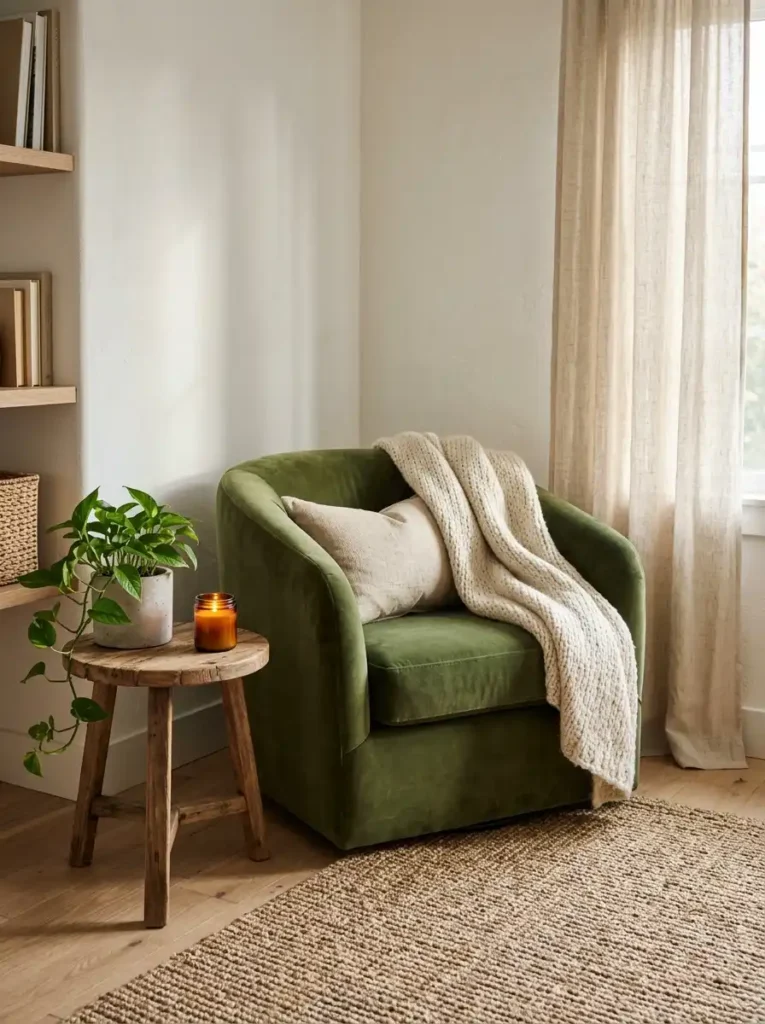
In today’s world where there is a lack of boundaries between work, sleep, and fun, creating a relaxation area in the house is important to maintain mental peace. You don’t need to allocate an extra room for this; just make sure you carve out an area that is solely meant for relaxing. It will teach your mind that when you go into that area, it is time to switch off the other part of your life. The basic principle of the creation of a zone is essential in order to adopt slow living practices and escape the urge to always produce something valuable and productive.
As far as the creation process is concerned, sensory comfort should take precedence over everything. Begin with the choice of a comfortable seat – either a chair or a floor cushion – that would be in the center of your zone, surrounded by soft materials, dim light, and perhaps even some plant to remind about the beauty of nature. Do not allow any items related to your everyday work routine to penetrate the place as a way to distract you from your goal.
In the end, the relaxation area ought to be a sanctuary. This is the space that you retreat to for reading, meditation, or just sitting in quiet after a day’s work. With continued use, you will be able to dissociate yourself from the restlessness of the world. Through the small investment you make here, you make a huge statement on your health. Your home environment is therefore preserved in its balanced nature, reflecting your principles of slow living.
13. Slow Living in the Kitchen – Cooking With Intention

The kitchen is one of the most active rooms at home, where fast meals are often cooked. Nevertheless, by taking a new attitude towards cooking, we can turn this mundane task into a creative process that will help us feel connected to the world. The main principle of the practice of slow living in the kitchen is the shift of focus from the result to the process. This means that when preparing a meal, it is important to pay attention not only to the dish itself but also to all its stages.
Firstly, by slowing down, we leave the paradigm of fast food behind us and start feeling the real energy that will charge our organism. Secondly, it is worth minimizing the number of devices and things that distract from cooking. To do this, you should clear the kitchen countertop of all unnecessary things. Thirdly, by approaching the process of cooking with a serious attitude, you will be able to perceive each ingredient and enjoy the resulting tastes.
In conclusion, a kitchen arranged around purpose fosters harmony in one’s life. It helps you slow down, think about the origins of the food you consume, and feel the creativity within your hands. As a result, each meal becomes an exercise in presence that allows you to experience fulfillment regardless of how busy your schedule may be. Through such subtle changes, you make your kitchen a place where nutrition and the idea of slow living harmoniously meet.
14. The Power of a Simple and Intentional Entryway
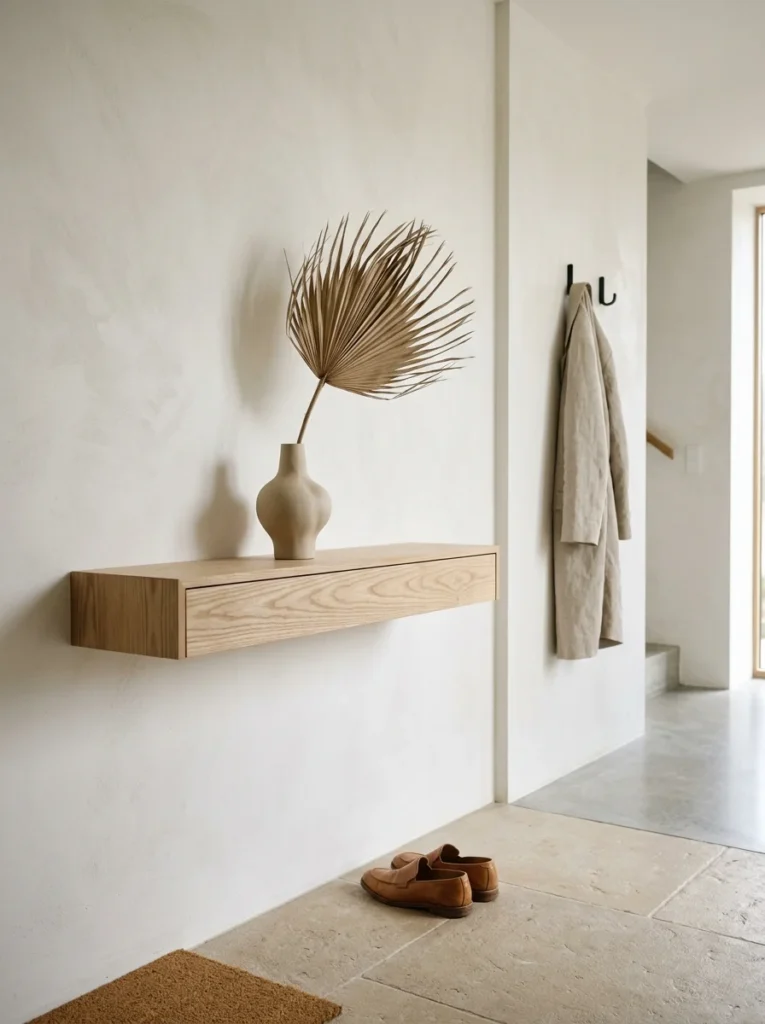
The entrance way is where you come into your house, marking the space that receives you when you come home and where you will leave at last from the house. The problem is that, all too often, the entrance way becomes the source of all kinds of clutter, like shoes, mail, and other things that will automatically increase your stress as soon as you get into the house. What can really alter the experience in your house is changing the entrance way and turning it into a peaceful space.
The creation of this transition does not demand a lot of space in the form of an extra-large foyer; it demands curation. Begin by getting rid of anything that does not fit in, whether that means getting rid of extra mail or out-of-place season-specific items. Instead of using “catch-all” baskets where chaos gets hidden, try using only one surface on which everything must fit, such as one shelf or a simple coat rack. Prioritizing empty spaces sends a message of breathing room instead of visual clutter.
At the end of the day, a peaceful home begins with the entryway into the space itself. Keeping the transition area clean is an act of prioritizing personal well-being. It creates an important barrier between the hectic life and the peace created in the house. The simplicity of it all makes it easier to feel as though you enter a completely different space when you come through your door each day, allowing you to embrace your new slow living lifestyle fully.
15. Using Neutral Colors to Create a Calming Home Atmosphere
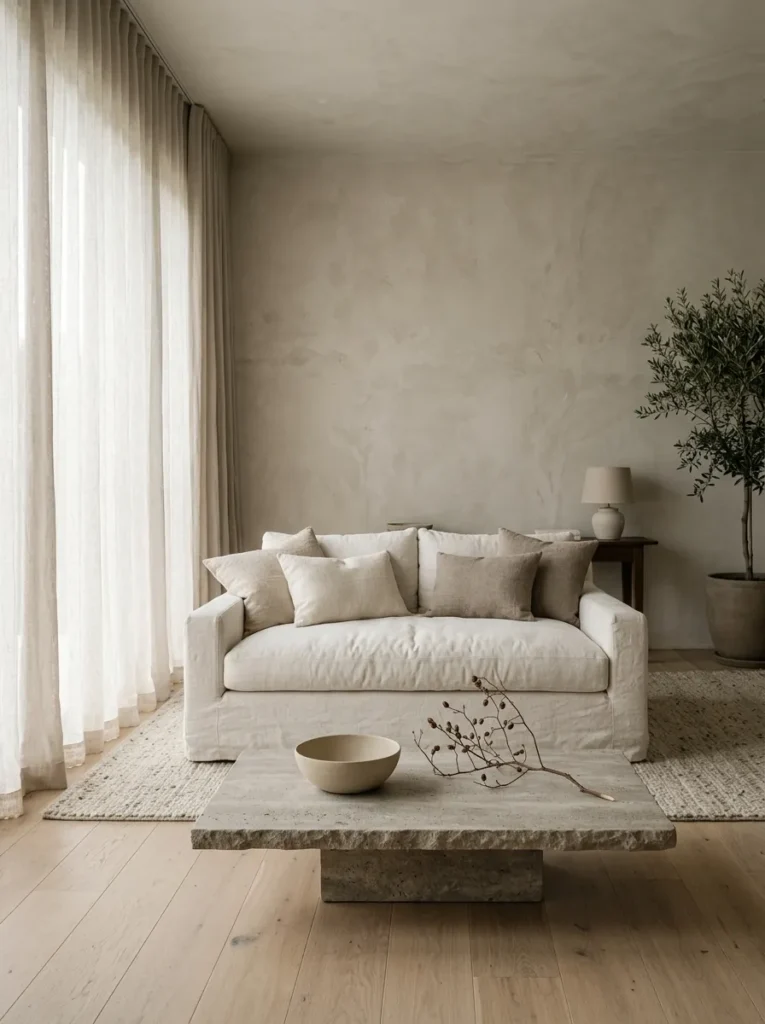
There is no doubt that colors have a huge impact on the activity of our nervous system, and neutral color combinations help create a relaxing atmosphere in your house best of all. With the help of such a combination of whites, beiges, grays, and other earth colors, you are creating a background that evokes calmness and simplicity. Contrary to vibrant colors with high contrast, the neutral palette does not excite but rather creates a soothing environment in which the mind can finally relax. This idea fully matches the principle of slow living in harmony with nature and oneself.
A neutral environment is far from an atmosphere created by an all-white room as such. It becomes possible to give the room a sophisticated and comfortable feeling when using various natural materials like raw linen fabric, natural wood, brushed stone, and woolen yarn. The use of such materials makes it possible to create interesting textures and details, while the neutral color palette serves as an excellent background for them.
In conclusion, the neutral home serves as a sanctuary from the dynamic and energized exterior world. It creates an atmosphere in which you can relax and get in touch with yourself. Simplifying your color scheme lessens the visual stimuli in your environment, giving you a space that feels airy and serene. Implementing this deliberate approach in your design can be an effective means of reinforcing the slow living philosophy.
Color intention begins with understanding how much is just enough — Earthy Vibrancy Colors Without Overdoing It
16. Slow Living Inspired Bathroom – Your Personal Spa Retreat
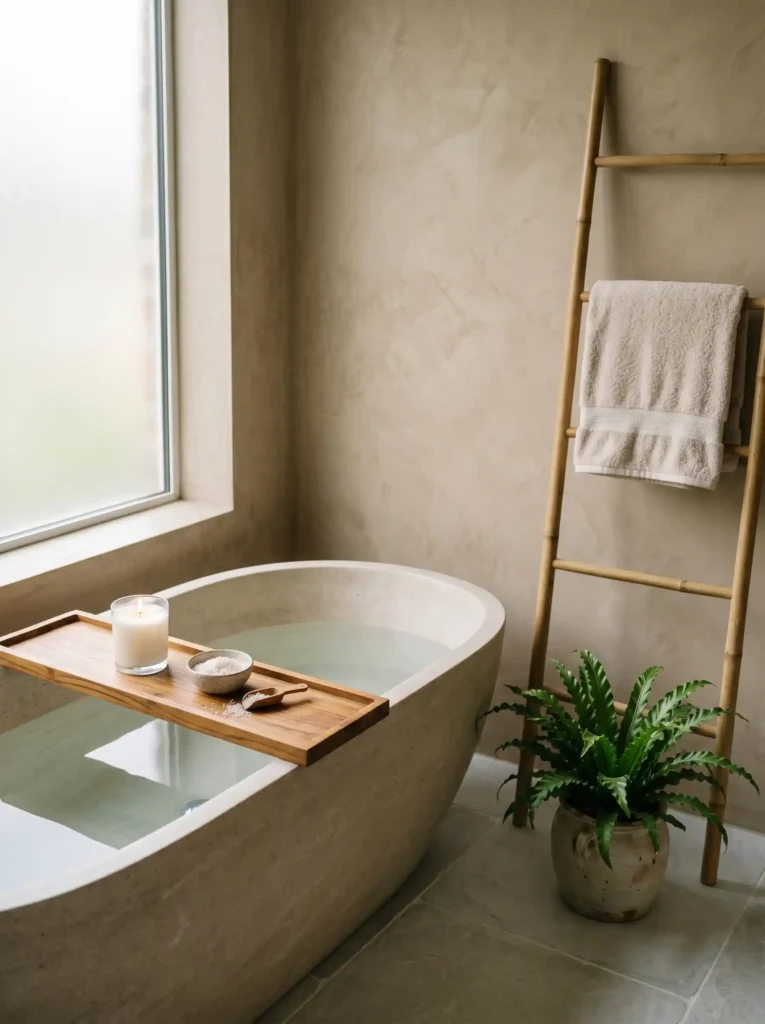
Traditionally, the bathroom is seen as only a functional room. However, with some adjustments, it is possible to transform it into a mini-spa that will allow you to relax. According to the principles of the philosophy of slow living, any room of your apartment is able to become a sanctuary. The bathroom can be considered especially important because it provides you with the opportunity to relieve from the stressful factors affecting you. First of all, make sure that the room is empty and contains nothing besides necessary things. A clean and tidy space will provide you with the needed silence.
It is highly recommended to use only natural elements and calming colors in this room, thus creating something similar to the interior of a luxury spa. Materials such as stone, bamboo, or even plain wood are perfect in order to feel comfortable and relaxed in your bathroom. Also, remember to pay special attention to the sources of light and make your bath time a unique ritual by using soft and warm illumination, luxurious cotton towels, and soothing fragrances.
In conclusion, your bathroom should be a haven for restoration. If you create an environment where you intentionally pamper yourself, you are treating yourself to a moment of reflection each day. By minimizing and organizing your environment in a way that promotes serenity, you are getting close to the heart of slow living. You ensure that even mundane activities that need to be carried out each day are transformed into moments of rejuvenation.
17. Mindful Decor – Choosing Less But Choosing Better
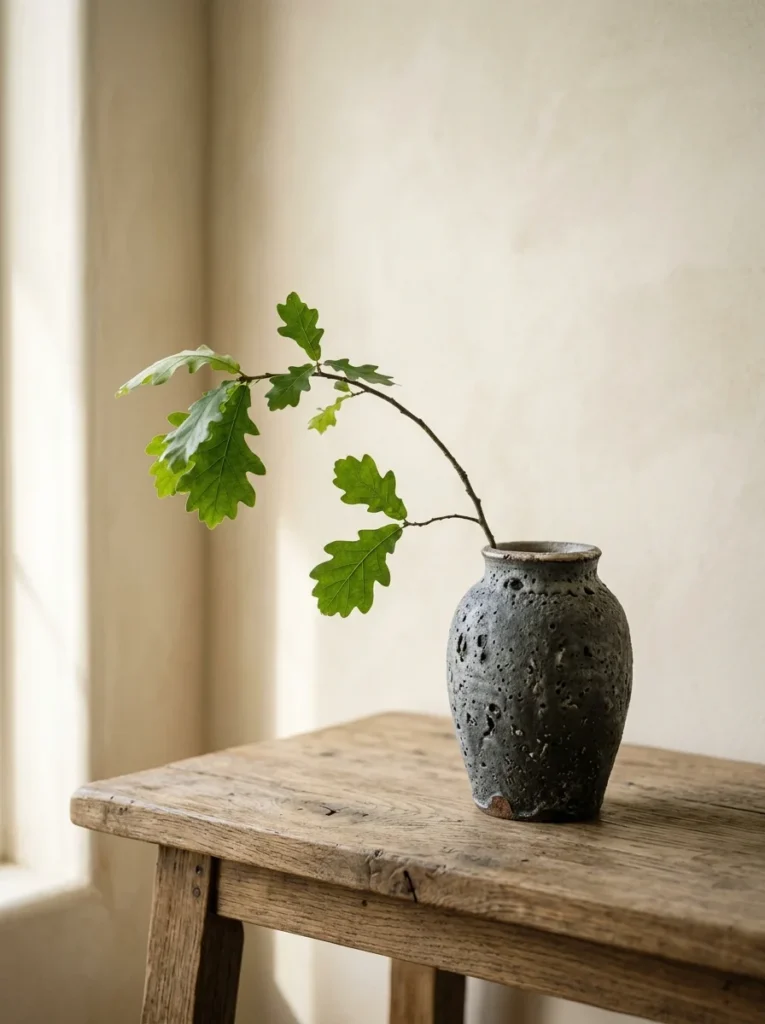
The concept of mindful interior design is rooted in the principle of “less, but better.” In today’s consumer-driven society where disposable products are widely available, it can be tempting to amass a plethora of objects that ultimately turn into visual noise and do not add value to the space. Slow living encourages people to adopt a new approach to home decor and think about bringing in fewer objects instead of constantly acquiring new things. This does not mean depriving oneself of luxury or beautiful items, but choosing objects that tell a story, are handmade, and demonstrate superior quality.
Selecting better entails purchasing long-lasting and sustainable goods made from natural materials. Instead of adorning one’s shelves with temporary and trendy decor, people should opt for pieces that serve a particular purpose, enhance their daily routine, or help relax. Slowing down the process of purchasing items makes individuals more conscious about what they want to acquire and ensures that all belongings are chosen wisely and with great attention to detail. This will help reduce cognitive stress caused by excessive clutter and allow people to enjoy the high-quality objects in their homes.
In the end, your house will be a representation of your own philosophy rather than a collection of fads. As you emphasize substance over style, you build a place that feels stable and harmonious. A mindful way of decorating is one that contributes positively to your general health because it creates a space that is breathable and organized, not to mention personal to you. As you enter any space, you are greeted with objects you adore, which further reinforces a slow-living philosophy.
18. How Scent and Sound Can Deepen Your Slow Living Practice
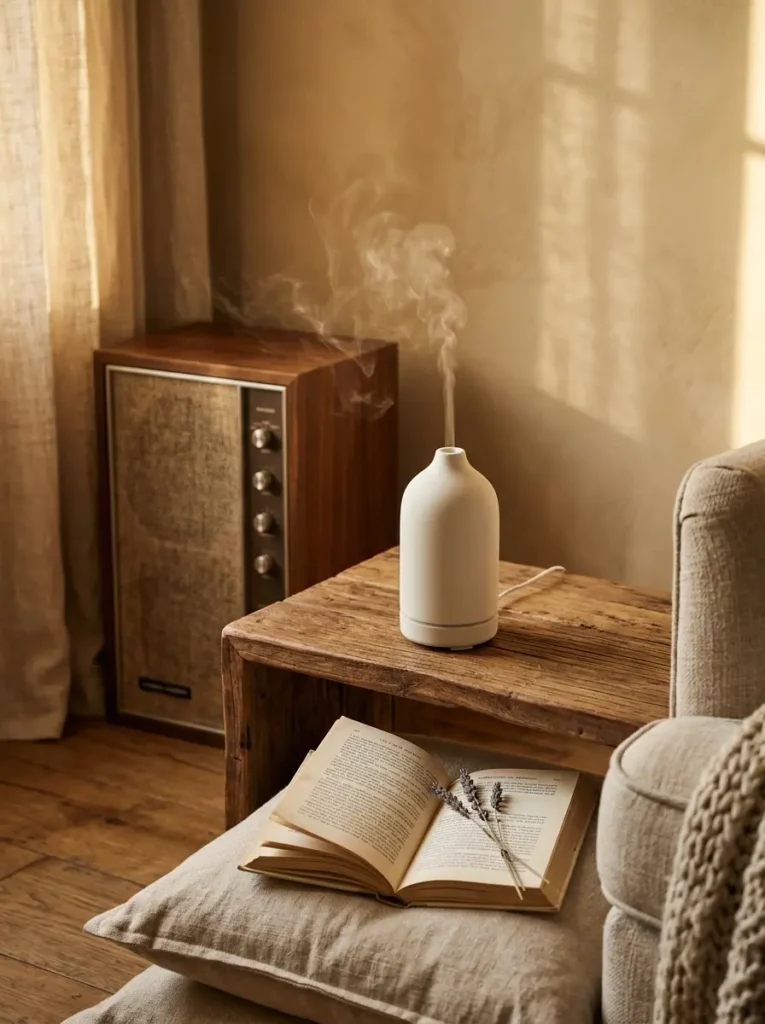
Although interior designing can be considered mostly visual, there are other important elements in a home that engage all your senses. Sound and smell are strong sensations that could help you achieve relaxation almost automatically. Sounds like calming music and fragrances such as beeswax candles or essential oils provide a perfect sensory backdrop that will make you feel relaxed while practicing slow living. It means that you should carefully consider which sounds and scents will surround you and thus ease the transition of your mind and body into peaceful mode.
First of all, scent is a part of sensory stimulation that is processed through your olfactory nerve and has a strong effect on the limbic brain that deals with emotions. Adding the scents of cedarwood, lavender, or bergamot through essential oils or beeswax candles will immediately create a relaxing atmosphere. In addition, sounds are responsible for disconnecting your brain and senses from everything outside. Low-fi acoustic music or the sound of nature or silence itself are some options to think about when choosing a soundtrack.
At last, your house becomes a sensory retreat. When all the above senses come together, you create a sense of harmony, which is conducive to the overall feeling of wellness. Such a mindful strategy will make sure that the place you choose to reside is actually an instrument for restoring yourself. Choosing all the above senses that will be characteristic of the kind of slow-paced life you want to lead will make your commitment to slow living even stronger.
19. Creating a Journaling or Meditation Corner at Home
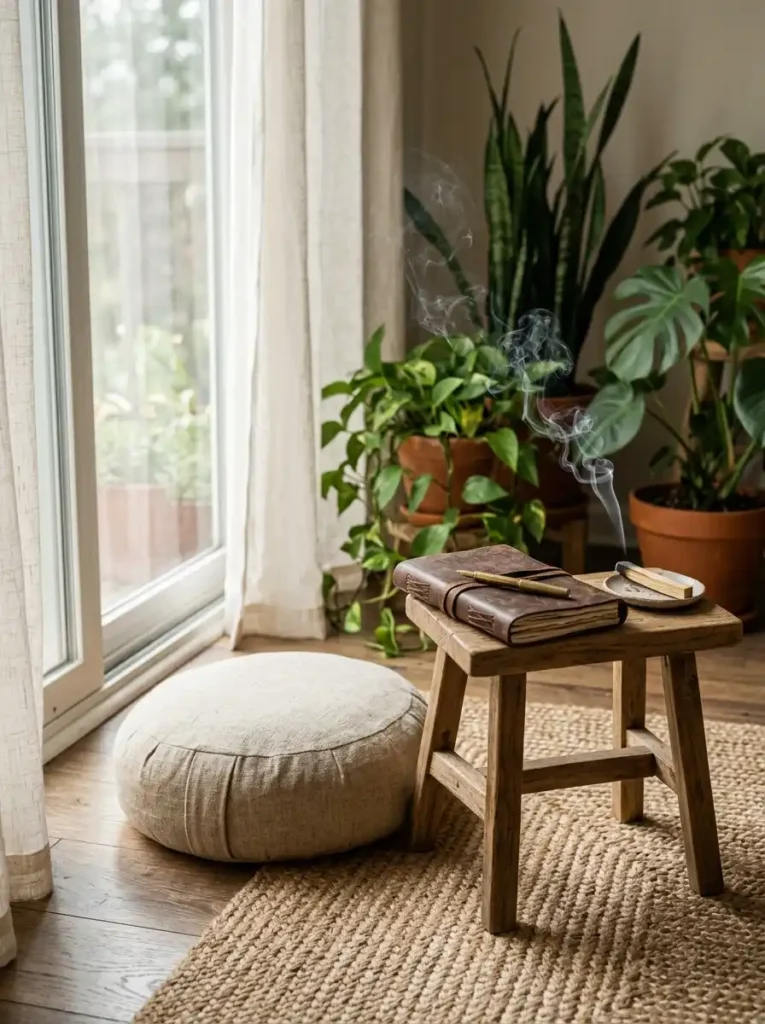
In the hustle-bustle of life, carving out a space for your soul’s introspection becomes a mandatory step to maintain a healthy slow living routine. While it might be true that mindfulness practices can be done almost everywhere, having a designated place at home sends a clear signal to the brain that it is time to turn your attention away from outside world pressures to inner silence. Allocating even a tiny corner of the house solely to writing down your thoughts or meditating will pay homage to your mind’s need for a clearer perspective on things. It allows you to establish boundaries between work and personal life and thus become consistent in your practice.
Creating such a corner demands minimum effort but maximum intentions. Firstly, you should find a quiet and cozy area, preferably one that has access to sunlight. Then, you need to furnish the area in such a way that makes you feel grounded; therefore, a cushion, a notebook, or a candle would be sufficient. Finally, you have to ensure that the design is not overly luxurious but rather minimalist, as clutter tends to cause stress, whereas a simple and natural environment promotes the cultivation of good habits.
In essence, this journaling or meditation spot becomes an oasis of wellbeing for you. Time moves slowly at this spot, and you get the opportunity to engage with your thoughts and emotions without fear of being judged. By creating this little oasis within your home, you are affirming your dedication to the concept of slow living. This spot acts as a tangible reminder of your beliefs, which is that you cannot have a happy, fulfilling life without investing in slowing down.
20. The Art of Slow Living Through Handmade and Vintage Pieces
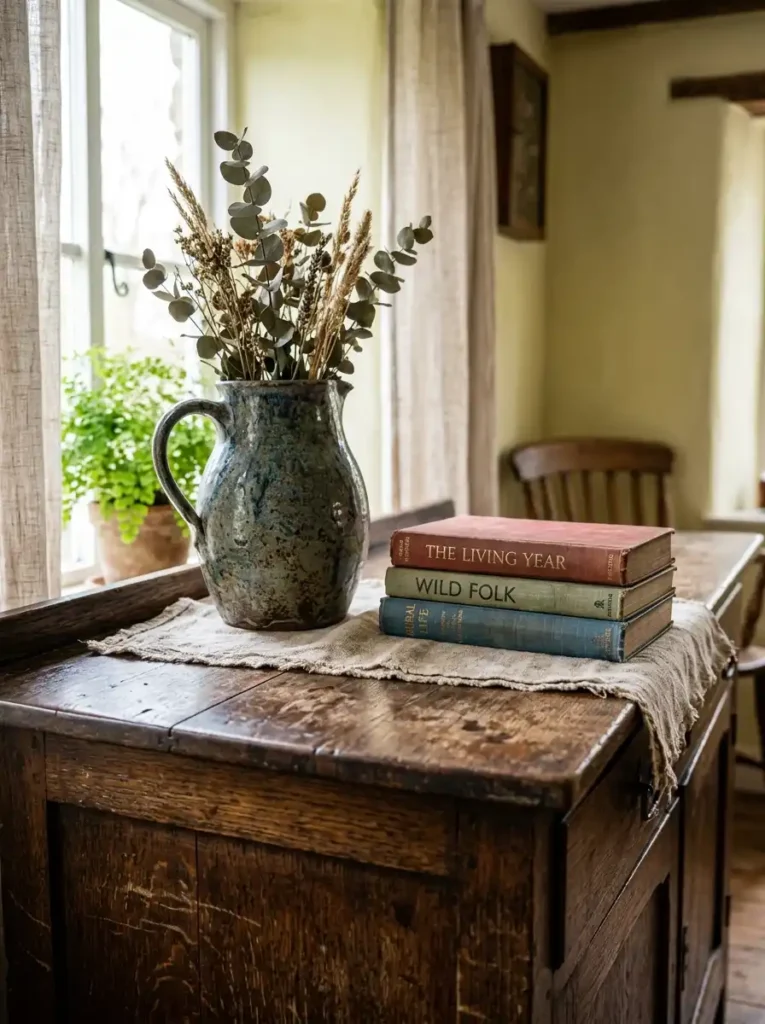
In a world filled with mass-produced and throwaway furniture, bringing handmade and vintage products into your home is a form of subtle defiance against the norms. The beauty of handmade items is that they provide something that mass-produced products lack; they have soul, a story, and character. Opting for handmade products will make you feel closer to the artisan who created them, whereas vintage items hold all the wisdom accumulated throughout the years since their manufacture. Thus, by integrating these products into your safe haven, you are rejecting the constant cycle of trend-chasing and adopting the concept of slow living.
Moreover, the magic of these items is that they always tell stories. It is difficult not to admire an item that has been handmade or used before. In addition, handmade items do not necessarily have to be perfect, because the beauty of their imperfections can reveal the passion and love that went into their creation. In addition, by filling your space with such products, you will be able to forget about catalogs that show how each product must look and will instead focus on the craftsmanship behind them.
In the end, decorating your home with vintage and handcrafted objects is not only environmentally sustainable but also matches perfectly with the idea of slow living. It is not about being part of the fast consumption world; it is about selecting items that have true value and worth to both you and the environment. With each purchase of a handcrafted product and each vintage object that finds its way to your home, you are creating a home environment that is rooted, filled with meaning, and timeless.
21. Seasonal Decorating the Slow Living Way
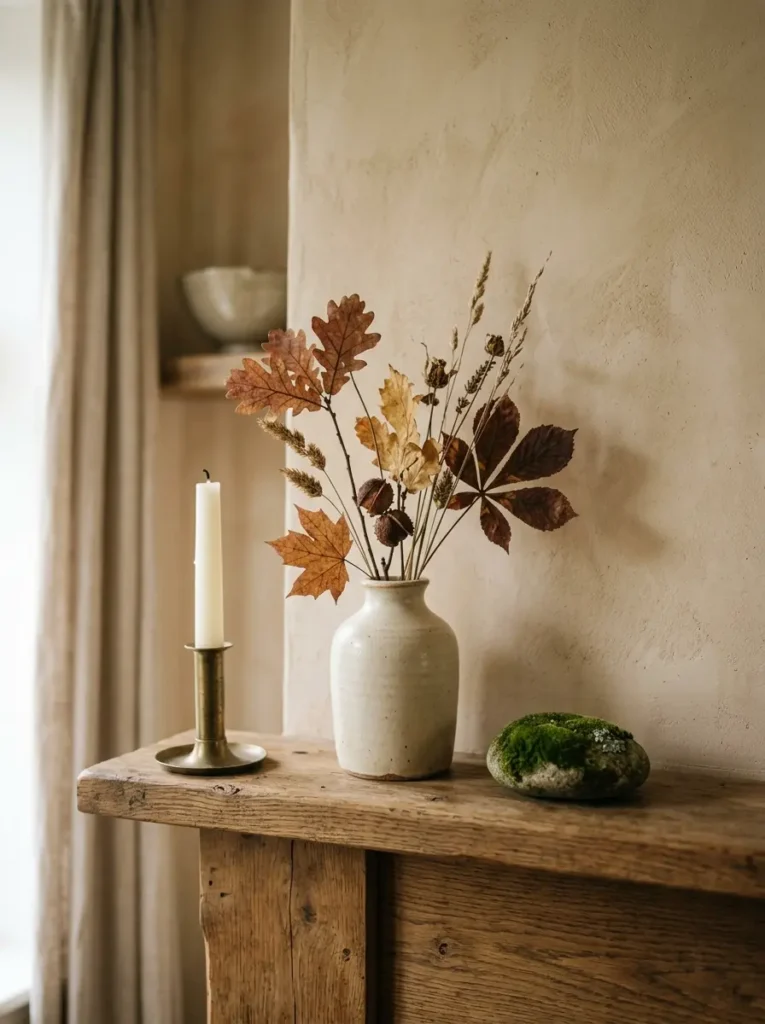
Unfortunately, in some cases, the seasonal décor ends up being another source of stress revolving around purchasing yet more disposable objects to fit the corresponding holiday, thus, becoming the opposite of mindfulness at home. Seasonality implies creating harmony between your space and nature that is happening right out the window. As a result, a change of view leads to seeing decorating as a process that connects your home to nature rather than shopping at stores. Slow living includes paying attention to such subtle details as light, fallen leaves, or blooming flowers and decorating with minimal elements that correspond to the current season.
Think about organic materials to use in decorating depending on what is happening outside: dry twigs when it is autumn, a bowl with seasonal fruits during winter, or aromatic herbs of spring. Such approach requires walking outside, picking up something from nature, and observing. This way, you will never accumulate huge bins filled with artificial decorations for every occasion. In addition to the fact that decorating will become more interesting for you, such process will leave your space free from excess stuff.
In the end, seasonal decorations must be reminders for you to take a step back and admire the beauty of the here and now. This enables you to remain connected to the cycle of the season while building flow into your interior environment. With the shift from popular styles to nature-oriented ones, you will be able to create an extension of nature in your own home. Through such an interior style, you can affirm your dedication to a lifestyle of slow living.
22. Designing a Home Office That Promotes Focus and Calm
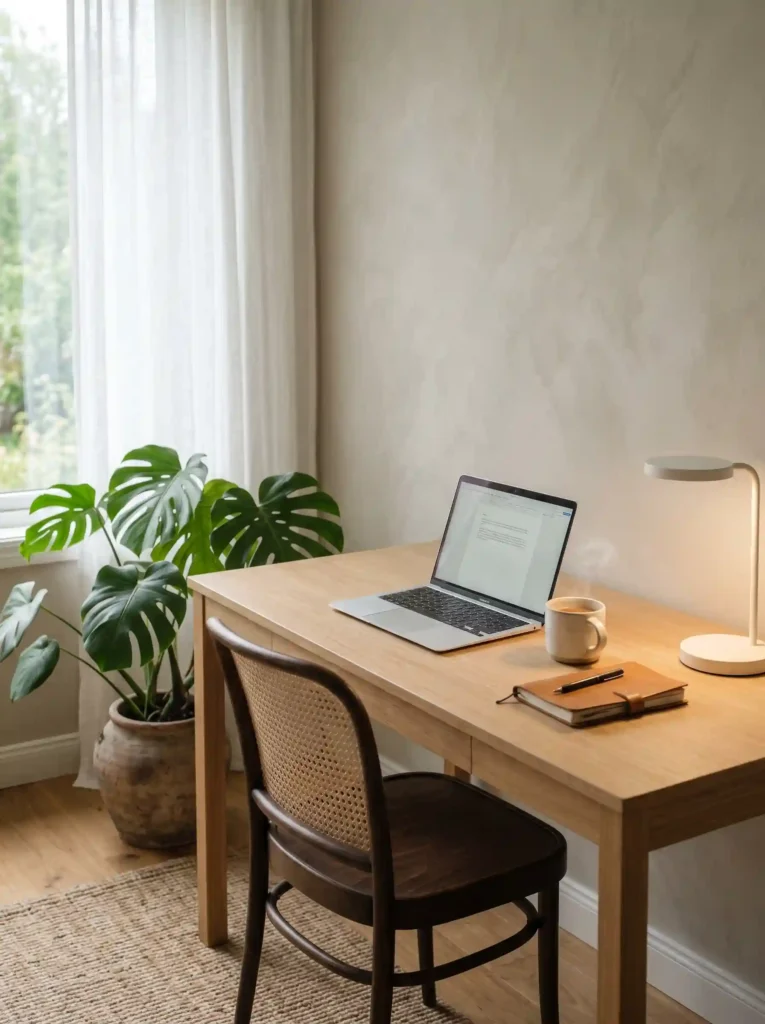
Often, the line between professional requirements and personal serenity can be drawn quite easily at the office desk. For the latter to function properly, you need to set up an environment where one can concentrate fully without being distracted by any external factors. Adopting slow living principles in your home office requires eliminating any stimuli that can affect your perception, such as the tangled cords, unnecessary paperwork, and extra gadgets that make your brain operate on a reactive mode. Creating an orderly desk will help you send a signal to your mind that it is time for productive work.
Consider incorporating sensory details that will give you more energy. First of all, pay special attention to natural light, which is the greatest resource that you have in your home office. Place your desk in a way that allows you to get maximum sunlight. One plant will add the freshness of nature to your work area and create a cozy atmosphere. Choose a warm light that will not exhaust you like typical office lights usually do. In addition, your office should not contain any items that are not necessary for your work; keep everything neat and tidy.
Ultimately, an effectively designed office will help you in your health as much as your productivity. The creation of an environment that is soothing and reflective, allowing yourself to get rid of that initial anxiety from chaos or artificiality, will lead you to have an incredibly productive experience without having to sacrifice any of your personal health. The integration of your principles of slow living into your workplace environment shows how productivity and calmness can coexist.
23. How Slow Living Transforms Your Relationship With Your Home
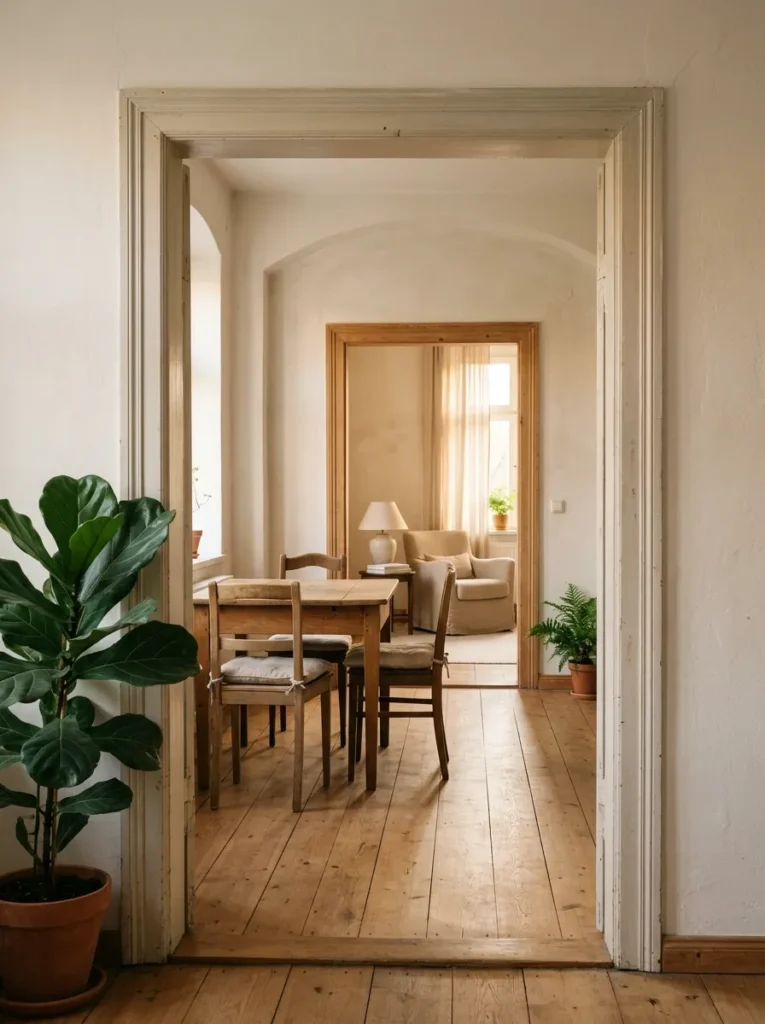
The idea of slow living is not about aesthetics alone. It is an entirely different paradigm of interacting with your habitat. Slow living involves looking at your home not as something that needs to be cleaned, organized, and even fixed for your guests’ benefit. Instead, it means embracing your home as a companion who helps you find rest, tranquility, and comfort. Slowing down helps us understand that our living place can and should be a real haven for us to relax and contemplate.
Slowing down means taking time to notice things, to appreciate all the small details that make your place special. For example, you do not put things inside your apartment to fill empty spaces. On the contrary, you create an intentional environment for yourself. As you slow down, you start noticing how a particular spot changes throughout the day, depending on the light falling on its surfaces, on the softness of furniture, and many other subtle changes in your habitat. All of this helps us feel grateful for what we have, and being grateful is key when it comes to feeling at home.
In the end, slow living transforms your house from being a stressor into becoming your biggest restorer. Slow living makes your house a place where you reconnect with yourself, an oasis in an uncertain world. Through giving your time, focus, and care to your surroundings, you form a symbiotic relationship with your space; you nourish your house, and it nourishes you back. This is the magic of slow living, as you are able to pause and live within your very own place that you have the privilege of calling your home.
24. Small Slow Living Changes That Make a Big Difference
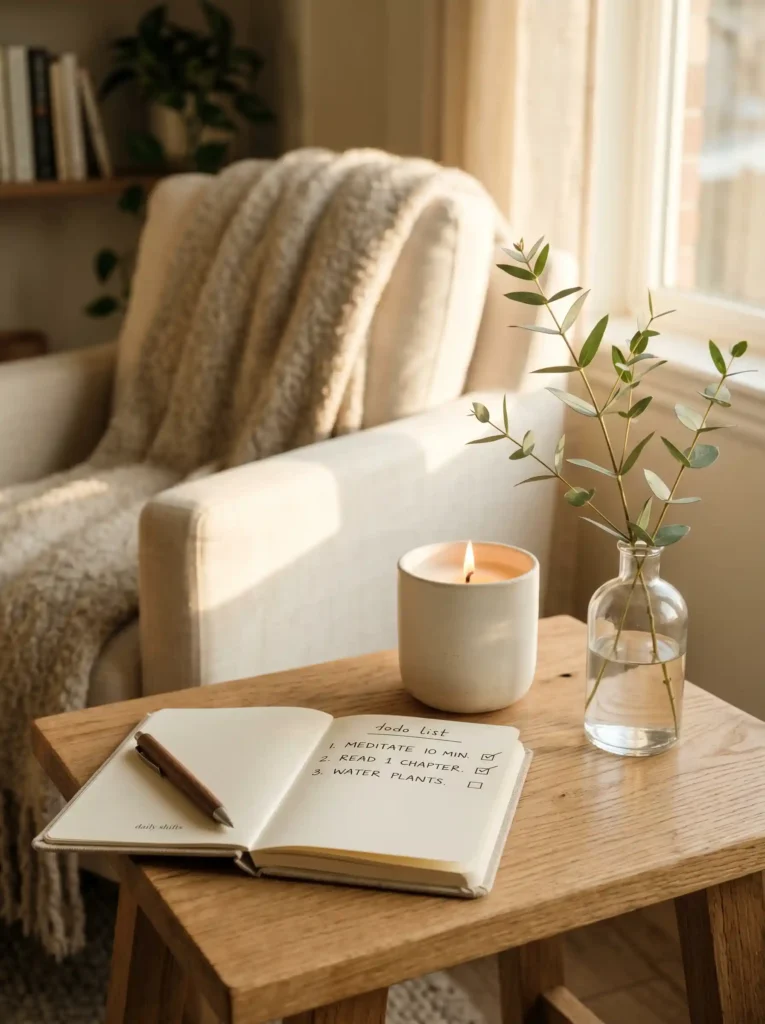
Living in accordance with the philosophy of slow living does not entail making radical alterations to your current living space and your schedule for the day. The biggest transformations occur as a result of implementing the simplest measures. This way, you avoid falling into the trap of trying to do too many things at once and focus on building sustainability instead. Small steps become micro-rituals that help restore your control, decrease the amount of digital noise, and shape your living space in such a way as to make slow living possible.
For instance, it is possible to turn off your mobile phone half an hour before going to bed, consciously light a candle marking the end of work time, or clear your bedside table every day at the same time. All of these actions only take a minute, but they send a strong signal to your brain that now is the time to relax. Likewise, you can alter your space by getting rid of some useless clutter from highly frequented places or adding a living plant to your study room. Size is irrelevant in this case; what really matters is that you remain consistent.
In the end, all these small changes add up to a way of life that is balanced, rooted, and unique. You do not have to wait for anything major to happen to begin living slowly; you can begin right now, in the next few minutes, with just one decision. The very fact that you choose to do these small things everyday is an indication of your commitment to yourself. This is what slow living is all about: accepting that you have the ability to create your own sanctuary through your actions.
Final Thoughts
Choosing slow living is not a fad; it is a deliberate choice to take back your time, energy, and calmness in the four walls you inhabit. As mentioned above, renovating and redesigning do not necessarily involve big actions and high investments. All it takes is to make an important choice for yourself: to get rid of everything that takes from you and add everything that gives you strength. Lighting up a beeswax candle at night, de-cluttering the entrance to your home, planting a plant on the windowsill – these actions, no matter how small, contribute to a meaningful and rooted lifestyle. The essence of slow living in the home is not a flawless home but one that is truly yours, that breathes alongside you and silently embraces all versions of you.
Love saving home decor inspiration for later? Follow us on Pinterest for more curated ideas, mood boards, and design tips that’ll keep your creativity flowing — Vibed Home
Frequently Asked Questions
-
What is slow living, and how does it relate to interior design?
Slow living entails adopting a mindset where quality, mindfulness, and intention are valued above all else. Slow living in home design involves creating environments that feel peaceful and deliberate – by incorporating organic materials, uncluttered surfaces, natural lighting, and objects that add real value to our lives.
-
How do I practice slow living at home without spending lots of money?
It doesn’t cost anything to live a slow life. Small changes, like minimizing clutter on every available surface, replacing harsh lighting fixtures with soft lamps, adding plants to your home, or creating a cozy reading nook are some ways of creating a slow living atmosphere without having to remodel your entire place.
-
Which materials and colors suit the concept of slow living?
The colors that work best in slow living interiors are light creams, soft whites, beige, earthy shades, and so forth. These colors are complemented well by organic materials like linen, wool, timber, stone, and clay.
-
Is slow living possible in a small rented space?
Of course. What matters in slow living is the intention behind organizing and using the space, rather than its size. It is entirely possible to create an intimate reading corner, incorporate elements of nature, keep your space clean, and decorate it with plants or candles even in a small rented apartment.
-
Why does clutter prevention help practice a slow life?
Clutter prevention can be considered the key component of slow living since by getting rid of things that do not bring you any value, you allow yourself some space and peace of mind. Decluttering is an important step on the path to mindful living.
-
How does nature contribute to designing a slow living house?
Nature is vital to slow living since plants provide your house with life, rhythm, and peace. Planting them is a meditative process that calms and grounds you while helping you remain present in the current moment. Some plants, such as lavender, have the added benefit of improving air quality and fostering wellness in the body and mind.
-
How do scent and sound influence slow living homes?
Scent and sound are crucial elements in creating slow living homes since they stimulate senses to achieve a state of peace and serenity. The use of natural scents like cedarwood, lavender, or bergamot through beeswax candles or essential oils helps you relax immediately. Gentle music or silence creates a soothing sound effect for calming the mind.