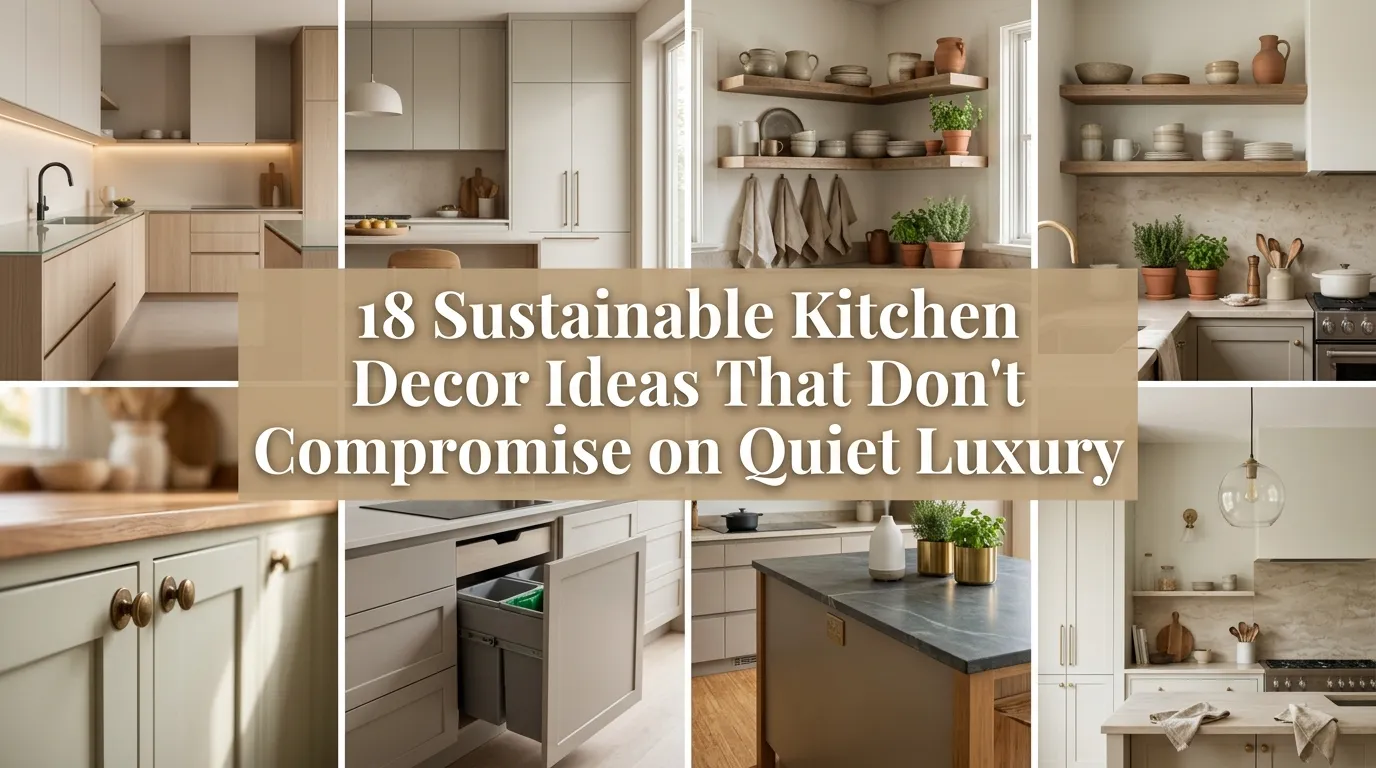

With sustainable kitchen decor, you can create an eco-friendly cooking environment without having to give up even a shred of sophistication. From historic brownstones in New England all the way to expansive homes built in Vancouver, today’s Western home needs to provide spaces which not only respect nature but which are at the same time architecturally elegant. In today’s world, luxury does not involve excess; rather, it involves choosing carefully. By incorporating environmentally responsible elements, organic touches, and sustainably made accessories, you create a kitchen that strikes the perfect balance between sustainability and timeless elegance.
Incorporating premium eco-friendly materials such as reclaimed European oak, recycled glass countertops, and low VOCs bespoke cabinets is necessary for creating an environment that not only reflects the latest trends but is sustainable and healthy as well. With sustainable kitchen decor, you transform your kitchen into a sanctuary of wellness and elegance, free from the mass production that dominated kitchens of old. Regardless of whether you entertain a few friends on the weekends or have dinner with the family, our ideas about eco-luxury can help you create that perfect blend. Let us discuss sustainable design solutions that will bring you success.
1. What is Sustainable Quiet Luxury in the Modern Kitchen?
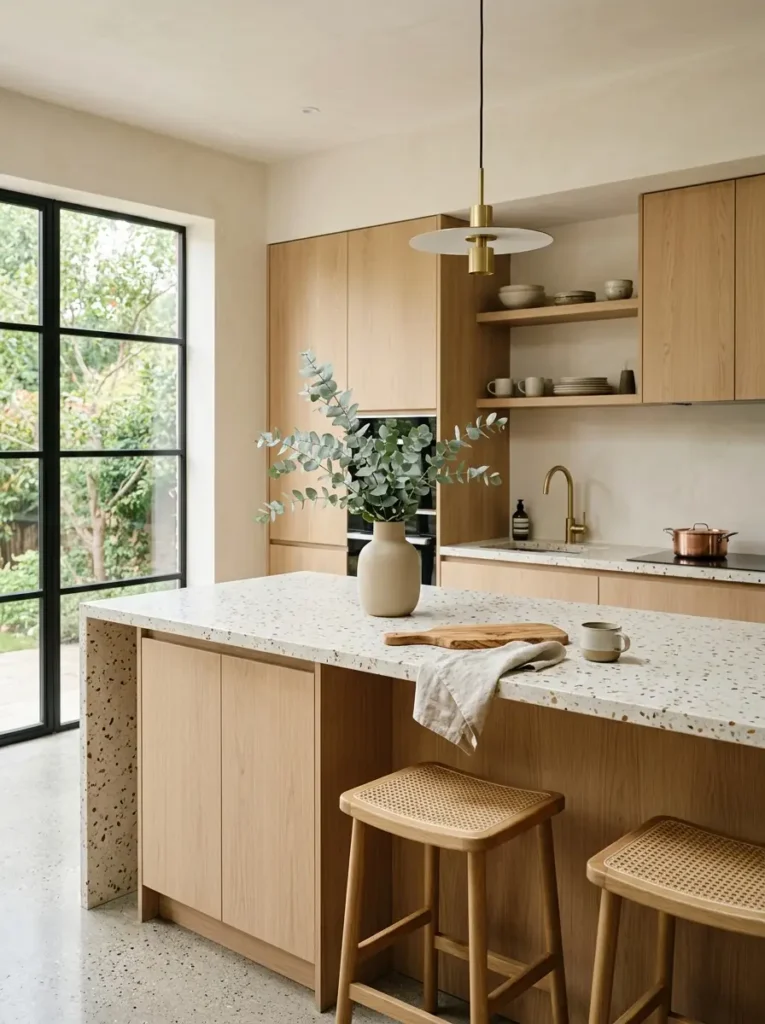
The marriage between eco-friendly living practices and luxurious design has been the catalyst for a revolutionary style: sustainable quiet luxury. The contemporary kitchen interior design movement is all about leaving the superficial behind and focusing on understated elegance and longevity through sustainable choices. It is about creating an intentionally beautiful space where each item not only looks beautiful but also has an underlying function and purpose. People in North America and the United Kingdom now choose to furnish their homes with custom-made, heritage pieces that express the spirit of sophistication and care for the environment.
To successfully achieve this style, one should make sure that they are implementing sustainable kitchen decor items along with high-quality, sustainable materials. Imagine FSC-certified white oak kitchen cabinets, countertops made from recycled glass, and unlacquered hardware that develops a wonderful patina over time. Such an approach will allow you to create a luxurious and highly functional interior that at the same time has no negative effect on the surrounding ecosystem.
2. Earthy Elegance: The Foundations of Sustainable Kitchen Decor
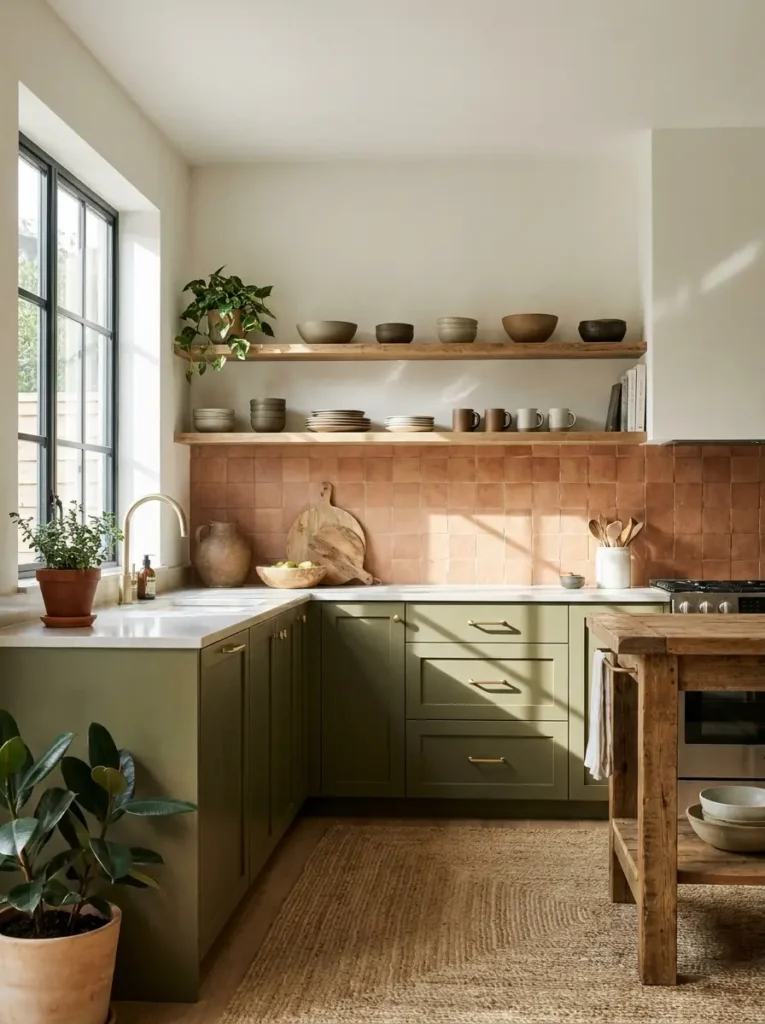
Eco-friendly kitchen decor can start off by incorporating natural elements that will provide you with a feeling of warmth and a unique texture. In order to achieve the mentioned goal, one should choose materials that come from Mother Nature, such as wood shelves and terracotta accents as well as linen textiles. As a result, this choice will allow you to create a luxurious kitchen environment with the help of natural elements. Thus, selecting quality, solid, and salvaged wood countertops or accent beams will make you a designer who cares about the planet.
On the other hand, an ideal balance between the mentioned two features will help you to create an elegant kitchen design. In order to do so, you have to incorporate such features as recycled glass tiling, quartz counters, as well as mineral paints. Thus, this set of elements will help you to create a luxurious environment that will reflect sustainable kitchen decor. Therefore, such decor is characterized by its high performance and global environmental awareness, which is needed nowadays.
3. Investing in Timelessness: Why Eco-Friendly Means Built to Last
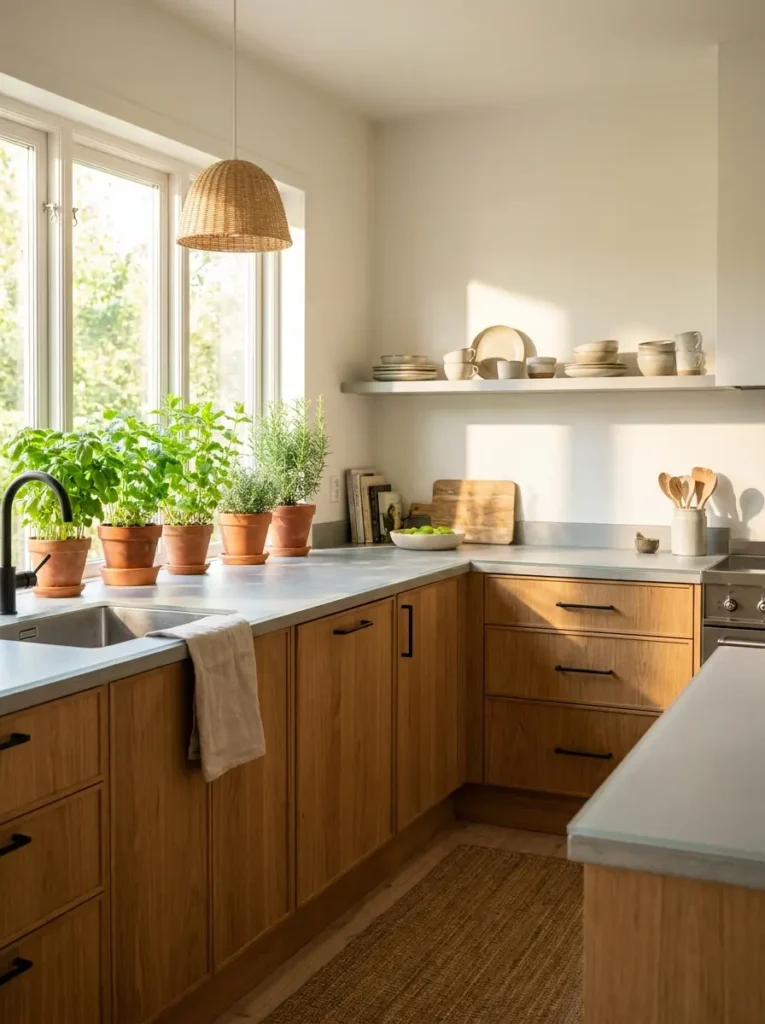
Making sustainable kitchen decor decisions requires more than just temporary satisfaction with fashion trends; it implies purchasing products of the highest possible quality. Nowadays, the eco-friendly approach to production involves selecting sturdy components, such as durable oak timber, environmentally friendly and sealed concrete, or architectural metal recycling. Choosing the most resilient components makes it possible to skip the continuous process of buying inexpensive alternatives. Consequently, such an approach enables creating an environment within the kitchen that will be able to preserve its premium feel and functionality for decades.
The sustainability of kitchen decor also means that you will be able to create an elegant space without resorting to fast fashion trends. Instead of following seasonal styles that become outdated quickly, sustainable kitchen decor is based on minimalism, high-quality materials, and exceptional craftsmanship. Materials that add to your kitchen’s charm include dense cabinetry made of bamboo or beautiful countertops made from reclaimed stones. The timeless elegance achieved by focusing on long-term sustainability can work perfectly in either North American or British households.
4. Reclaimed Sophistication: Elevating the Space with Premium Salvaged Woods
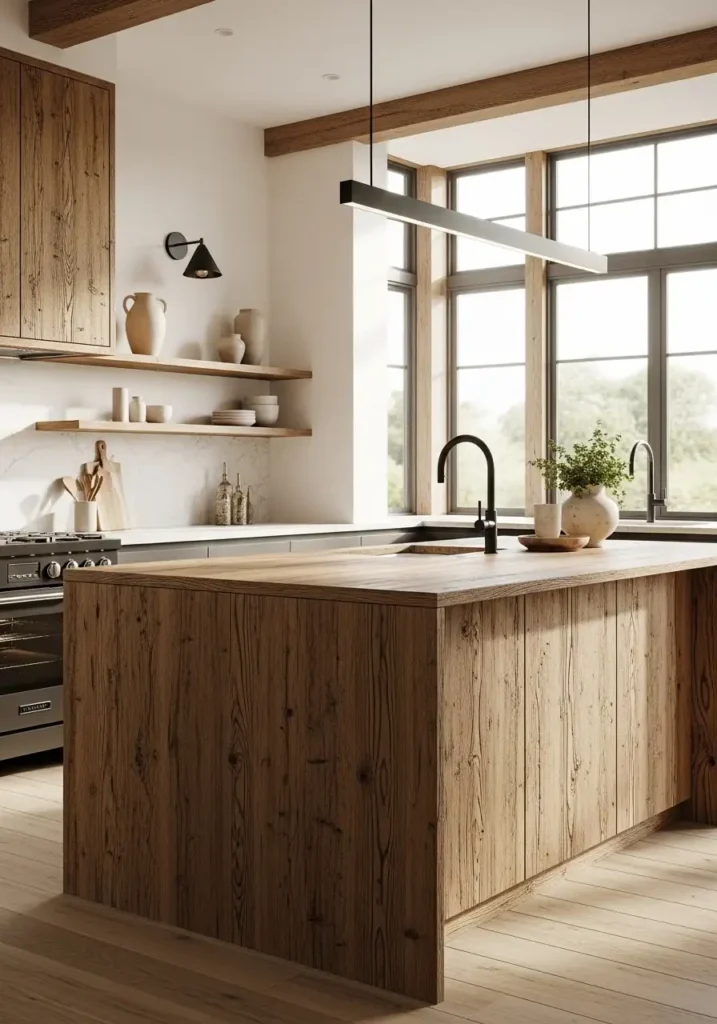
Incorporating reclaimed hardwoods into your culinary sanctuary adds a touch of incomparable character to the heart of your house. From aged oak island tops to luxurious chestnut open shelving units, these wooden features effortlessly balance rustic heritage with contemporary sophistication. Every detail tells a story, adding an element of natural beauty and authenticity that cannot be attained through generic building materials. To all homeowners in North America and even the UK, these wooden highlights bring an environmentally responsible design option with the sophistication you desire.
The restoration and inclusion of wood components in the designing process make an undeniable statement about sustainable kitchen decor. It combines your love of authentic artisanship while contributing positively to the environment by making use of reclaimed materials. Together with modern cabinet work and sleek matte black fixtures, reclaimed wood provides the perfect curated contrast to create an inviting culinary masterpiece.
5. Conscious Mineral Choices: Luxe Countertops with a Lower Carbon Footprint
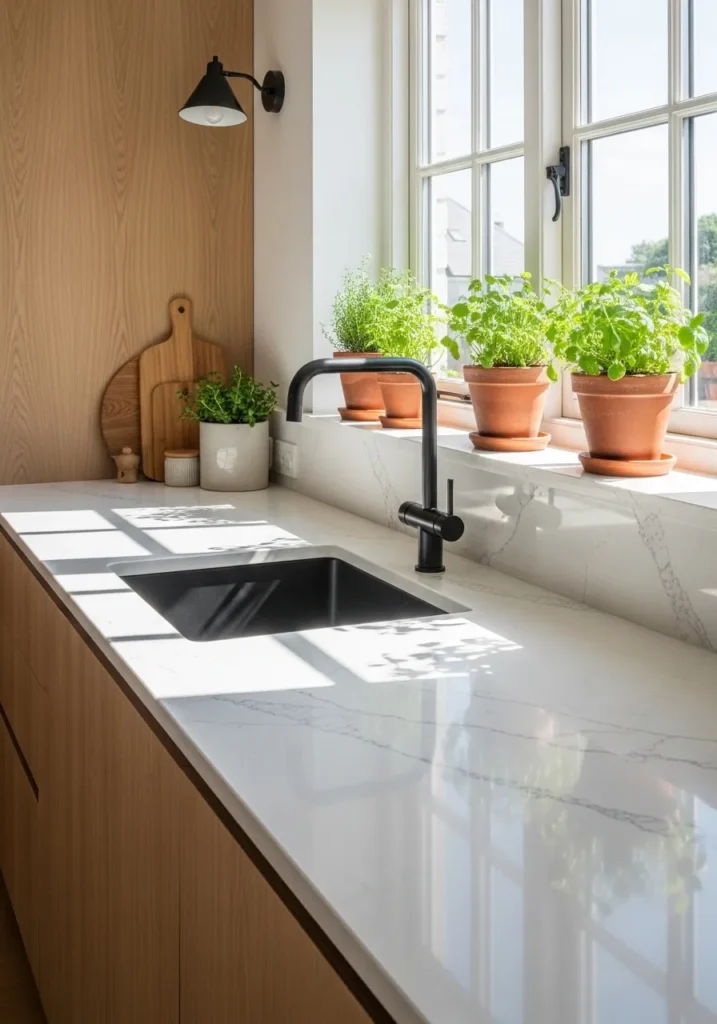
There is no need to choose between luxurious design and environmentally-friendly solutions anymore. The most sophisticated buyers are moving towards innovative and eco-minimalist minerals that provide an amazing marble-like look without harming nature. Made from recycled materials and bio-resins, these premium products give incredible durability and protection against spills. They show that sustainable kitchen decor and elegant looks are compatible.
Opting for these innovative materials means making a luxurious choice without hurting nature. The best designers around the globe are turning to these materials due to their sustainability and circular business model. No matter what type of property you want to renovate – a chic house in Toronto, an English country manor, or a sunny Californian kitchen – the countertops will give you an amazing centerpiece.
6. Subtle Statement Pieces: Curating Artisan-Made Sustainable Kitchen Decor
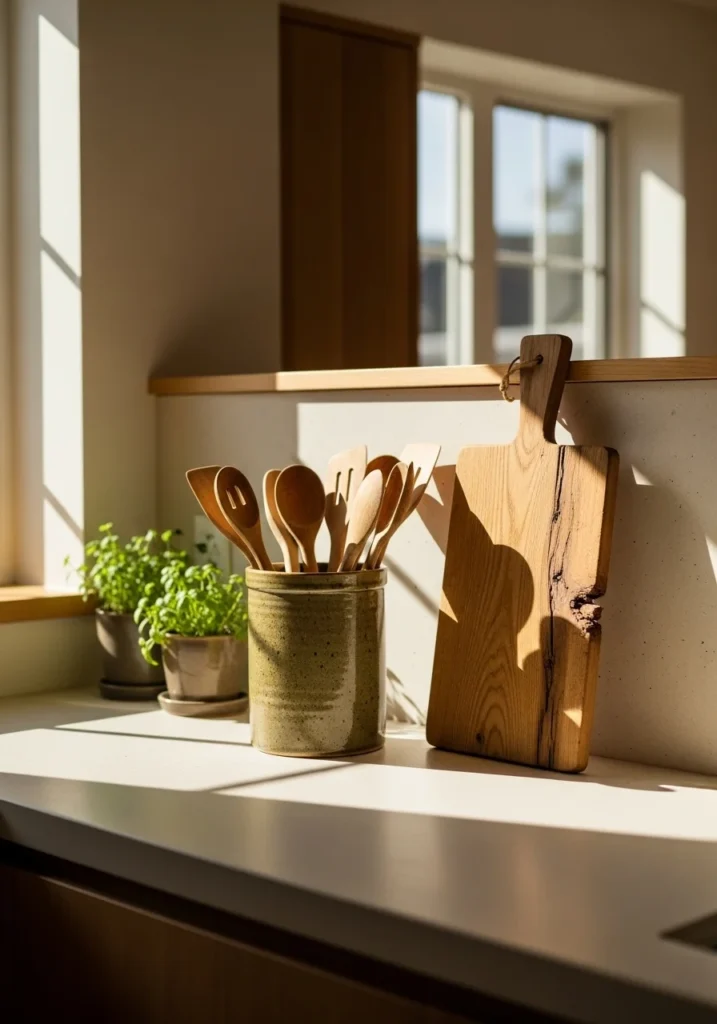
Improving your culinary area needn’t be an extensive renovation but is more about intention. Using hand-crafted, sustainable kitchen decor will enable you, the owner in the United States, the United Kingdom, or Canada to combine luxury with the environment. Reclaimed wood serving boards, linen tea towels made from organic material, and handmade ceramic crocks make for excellent accent pieces. Your minimalist or transitional kitchen will gain new dimensions through the use of such products.
The purchase of such small, hand-made accents supports true craftsmanship while reducing your environmental impact. They all offer their own human element to your functional areas and provide warmth and charm. By focusing on longevity and classic style over fads, you’ll create a unique look and feel. Ultimately, the inclusion of these small but important features shows how luxury and sustainability can go hand-in-hand.
7. The Art of Invisible Waste: Integrating High-End Recycling Systems Discreetly
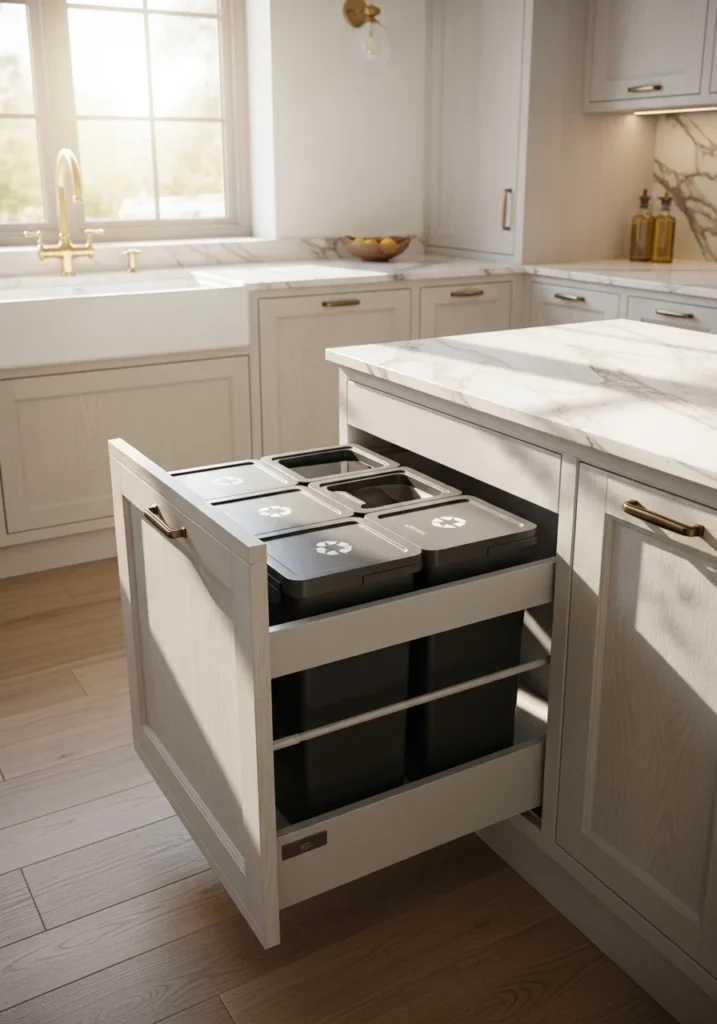
Flawless food presentation involves disguising the practical features of day-to-day activities. State-of-the-art kitchen storage systems feature efficient waste management solutions that can smoothly hide away to maintain sleek aesthetics. By incorporating various compartments for sorting glass, plastic, and organic waste through pull-out units or drawers that are seamlessly integrated into cabinetry, you ensure luxury while responsibly sorting and disposing of materials in an organized manner. Thus, the integration of waste disposal facilities is evidence that being responsible to the environment does not have to compromise on design.
This makes the installation of built-in, automatic waste sorting centers a key aspect of sophisticated and sustainable kitchen decor. Selecting customized panel-ready fixtures that match the color, style, and other elements of surrounding kitchen cabinets is critical to achieving high-end waste disposal. Odor and microbial control lids contribute an added element of sophistication to a system designed to keep the environment safe and fresh. In conclusion, waste recycling systems that can be efficiently incorporated into cabinet designs will allow you to adopt eco-friendly habits in style.
8. Bespoke Linens: Swapping Synthetics for Organic Hemp and Belgian Flax
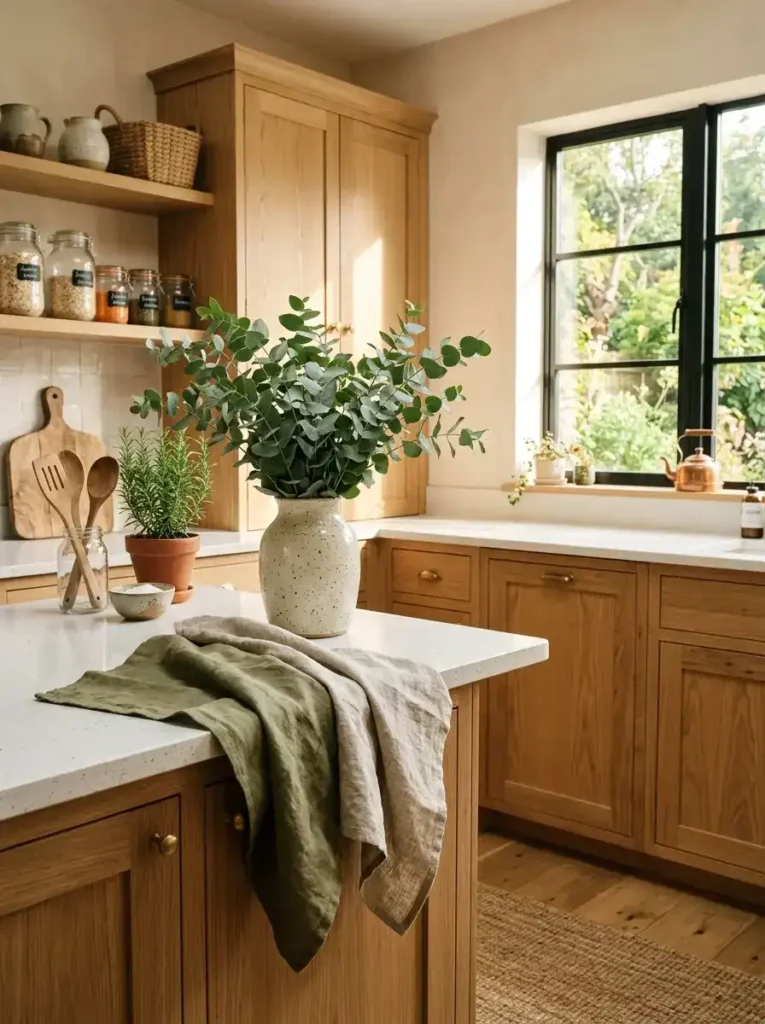
Shifting focus away from artificial, heat-trapping microfibers represents the first step towards creating a more intentionally curated culinary space. Uplifting one’s environment starts with the use of customized linens made using organic hemp and premium Belgian flax. These classic materials infuse modern homes with effortless charm and sophistication without compromising on functionality. The unique properties of hemp and flax mean that the materials are both antimicrobial and extremely durable. As a result, they can comfortably handle the stress that comes with being used regularly in a busy home environment.
Choosing such premium materials is an obvious extension of the primary principles associated with sustainable kitchen decor. Rather than polyesters that can accumulate in landfills for decades, the highly absorbent materials of organic flax and hemp naturally soften with each wash and age along with the rest of one’s home. Flax and hemp dry quickly and make excellent choices for creating custom tea towels, runners, and aprons. For discerning homeowners in both North America and the United Kingdom, switching to such materials presents a simple way of achieving high-class interior designs sustainably.
9. Illuminating with Intent: Low-Energy Architectural Lighting That Sets the Mood
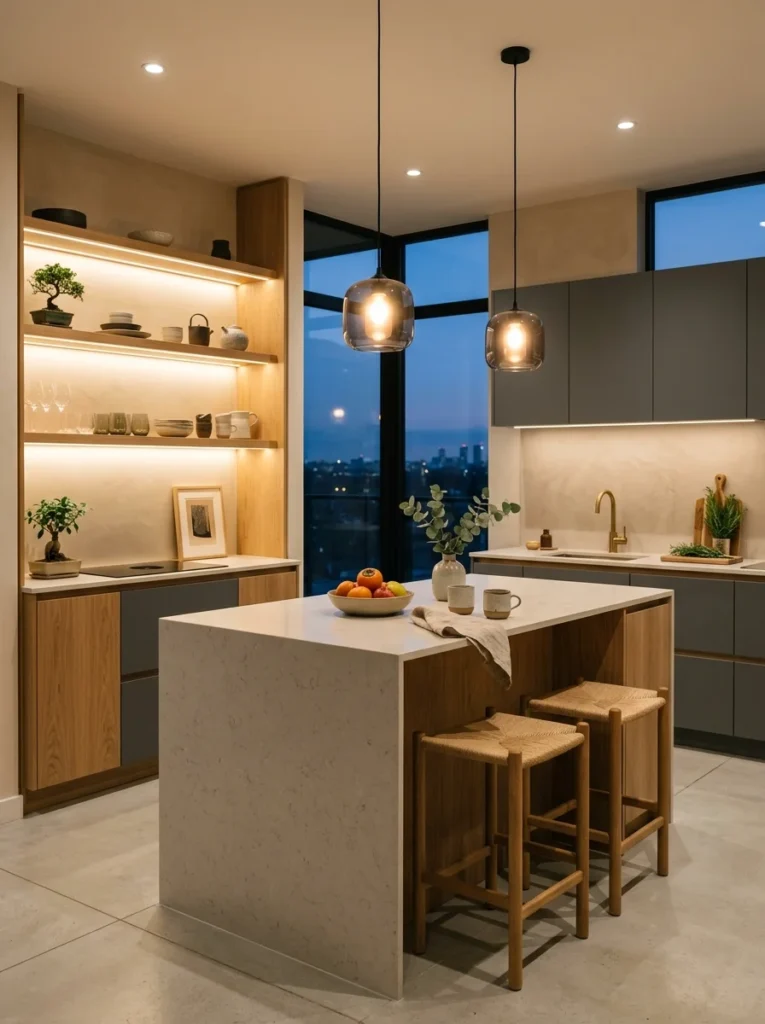
Modern-day architectural lighting is more than just a utility feature; it plays a vital role in conscious interior designs. With the help of efficient LEDs placed under the cabinets or strategically planned flush-mounted ceiling lights, one elevates the architectural aesthetics while significantly reducing energy consumption. A carefully thought-out lighting system results in creating an elegant and multifunctional atmosphere of your kitchen, easily adjusting it from being bright and functional for cooking in the morning to comfortable and cozy for dinner parties at night.
Thanks to the advanced technologies in lighting, consumers in North America and the UK can create custom-made sustainable environments for themselves. Pendant lamps made of natural materials such as rattan or recycled glass act as stylish focal points above the central island. In combination with the use of energy-efficient light bulbs, one creates high-end yet sustainable pieces as an essential part of sustainable kitchen decor.
For more ideas on creating a beautifully curated space, explore these chic apartment aesthetic ideas that prove intentional styling works in every room. 22 Chic Apartment Aesthetic Ideas for a Stylish, Lived-In Home
10. Smart and Understated: Energy-Efficient Appliances for the Connoisseur’s Kitchen
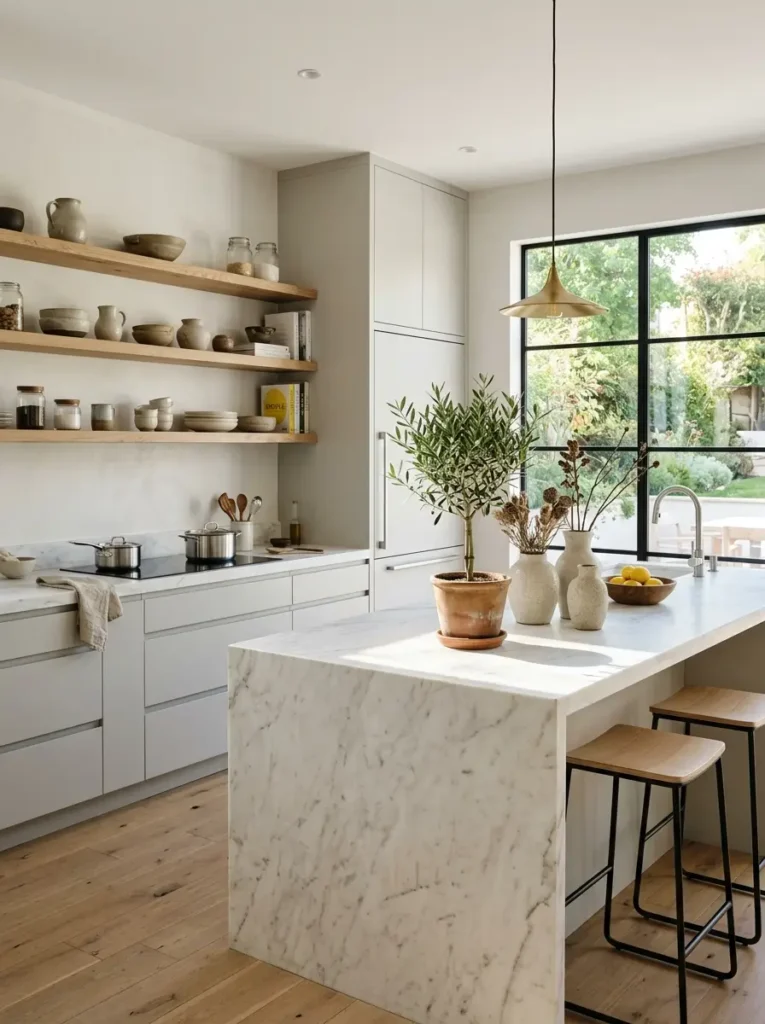
The kitchen of today’s connoisseur masterfully combines both the functionality of a kitchen and the philosophy of living sustainably. Investing in energy-efficient equipment is not only a practical decision but also a conscious design one. Induction cooktops and dishwashers that consume little water deliver excellent functionality without increasing the carbon footprint of your kitchen. The luxury and environmentally friendly appliances blend effortlessly with the minimalist cabinets showing you how easy it can be to maintain the perfect balance between luxury and respect for nature.
Opting for the premium finish materials in matte black, brushed brass, and paneled design ensures the kitchen stays sleek and elegant. However, to complement the metallic finish of your kitchen appliances, the designers use the elements of sustainable kitchen decor in order to make sure that everything blends together. Incorporation of wood, soapstone countertops, and hand-made textiles creates a harmonious interior. Such careful selection of materials meets all of the design requirements that have become popular with homeowners in North America and the UK.
11. Curated Open Shelving: Styling with Mindfully Sourced Tableware
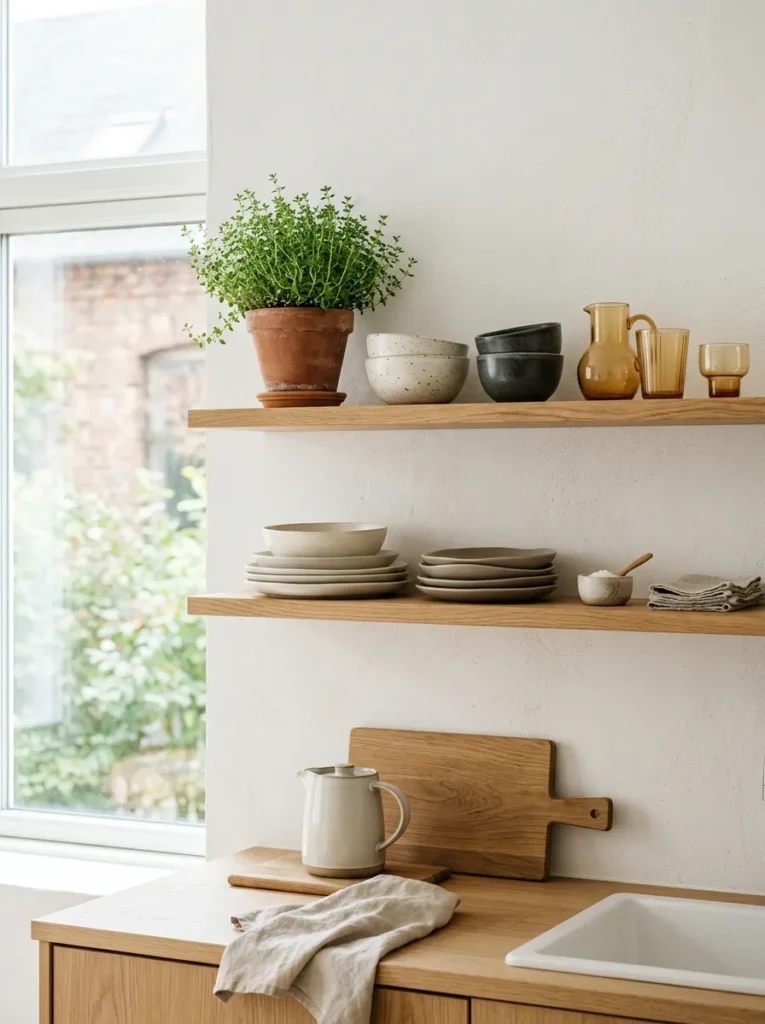
To turn the simple display on exposed kitchen storage into something visually impressive calls for the thoughtful combination of both functionality and aesthetics. Rather than filling open shelves with a chaotic mix of random stuff, carefully choose what will go there, making it an elegant combination of artisanal dishes, natural textures, and household necessities. Categorizing products according to either their texture or subtle color palette will bring harmony and rhythm to the arrangement. With a little effort, one will transform standard storage units into an elegant architectural element showing how well design and utility can work together.
The inclusion of environmentally friendly items such as handmade stoneware and reclaimed wood as support structures helps to incorporate sustainable kitchen decor into your interior. Choose elegantly crafted dishes made from natural materials with noticeable flaws, giving your collection some additional personality and tactility. Pairing them with miniature herbs in pots or other plants will add life to the display. The result will be a beautifully curated minimalistic accent piece highlighting your appreciation of nature and design.
12. Biophilic Accents: Bringing Nature Indoors with High-Design Indoor Herb Gardens
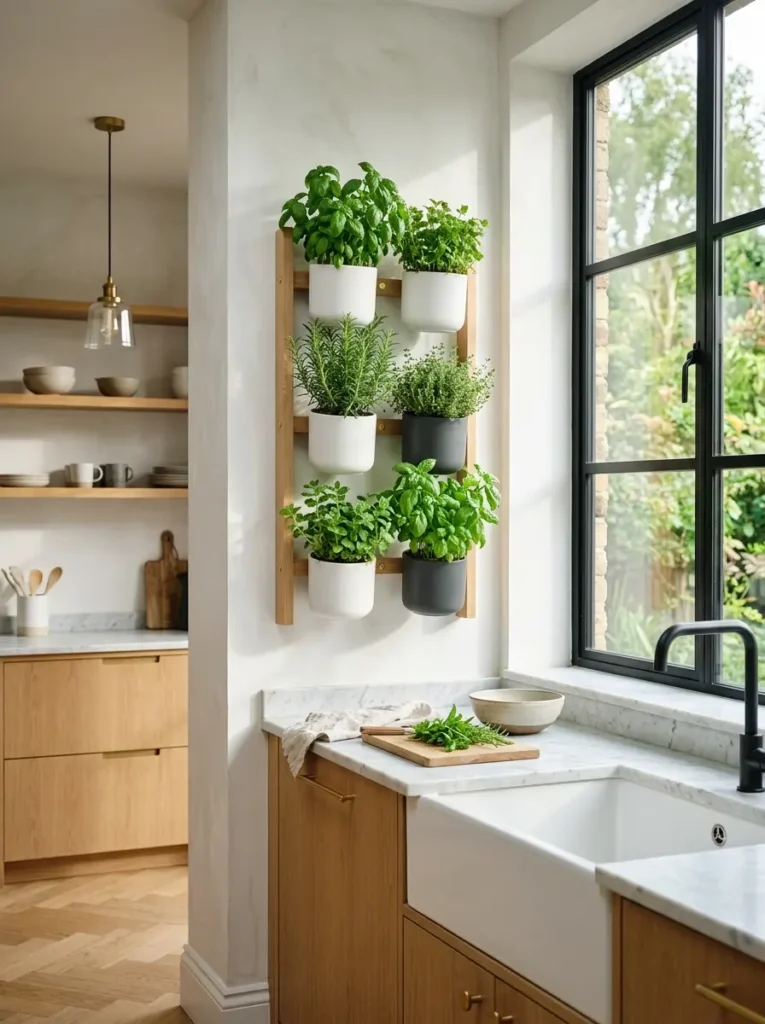
Creating a sanctuary out of your cooking area involves a great deal of mixing functionality with organic aesthetics. High-end indoor herb gardens offer the most natural way to combine cutting-edge architectural style with nature. Self-sustaining, modern planters made of terracotta, brushed brass, or bamboo turn ordinary windowsills into fully functional culinary stations. In addition to purifying the air, they fill the home with aromatic smells, making this combination a powerful experience for the eco-conscious design enthusiasts.
Acquiring vertical growing solutions is one of the key ways of creating a sustainable kitchen decor style. Growing fresh basil, mint, and rosemary plants right at your countertop will help to cut down single-use plastic waste and food waste in half. The living installations are sure to be a focal point of any Scandinavian or modern British interior. Eco luxury has never looked more chic and editorial-friendly than this.
13. Toxic-Free Minimalism: Selecting Low-VOC Paints for a Healthier Luxury Haven
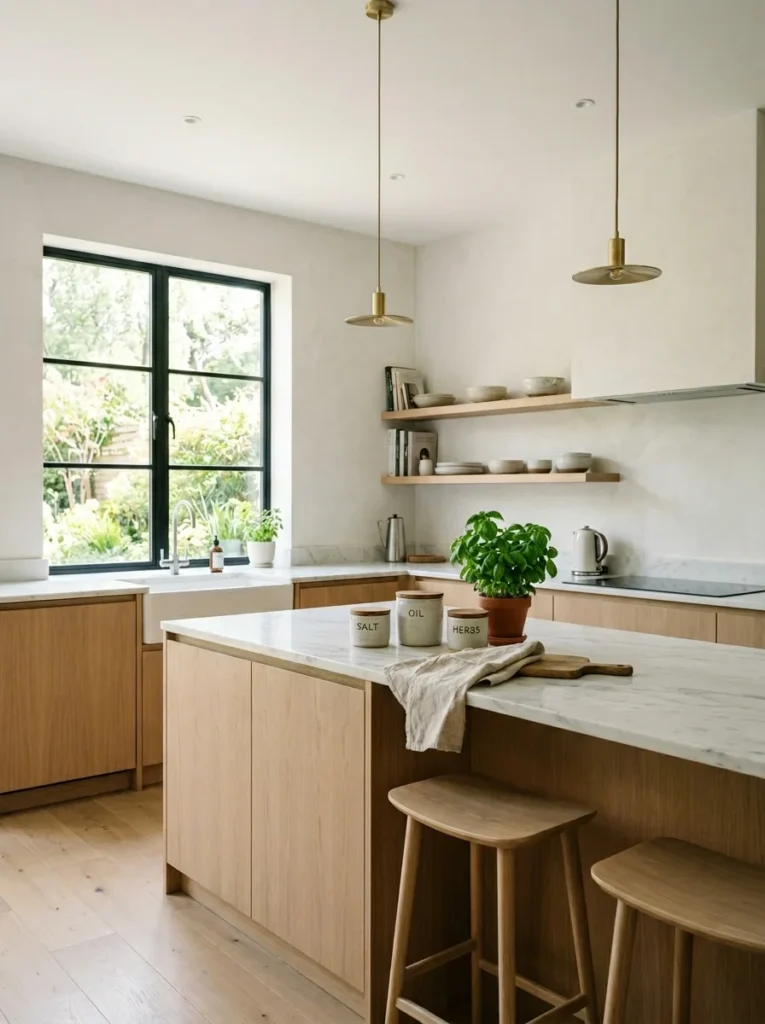
True luxury transcends aesthetic appeal and entails investment in one’s overall well-being. When adding sustainable kitchen decor, one goes beyond custom cabinetry and quartz countertops to consider the walls of the cooking area. Regular paints have VOCs that continue emitting toxins into the surrounding environment. With the use of high-quality, low-VOC or VOC-free paint, you can rest assured that there will be no harmful emissions coming from the walls. Your minimalist decor becomes toxin-free and maintains its luxury value by eliminating all sources of pollution.
Eco-friendly living calls for selecting high-end paints free from any harmful substances. Modern companies producing paints provide an array of designer color palettes with unique formulae made to ensure the luxurious feel of the wall paint. Clay and mineral paints become increasingly popular as these materials allow for a healthy, fresh indoor atmosphere while still giving one an opportunity to express personal style. Combined with sustainable kitchen decor, this makes for a truly luxurious setting that looks perfect, feels healthy, and serves people well.
14. Upcycled Hardware: Finding Patina and Charm in Antique Brass and Bronze
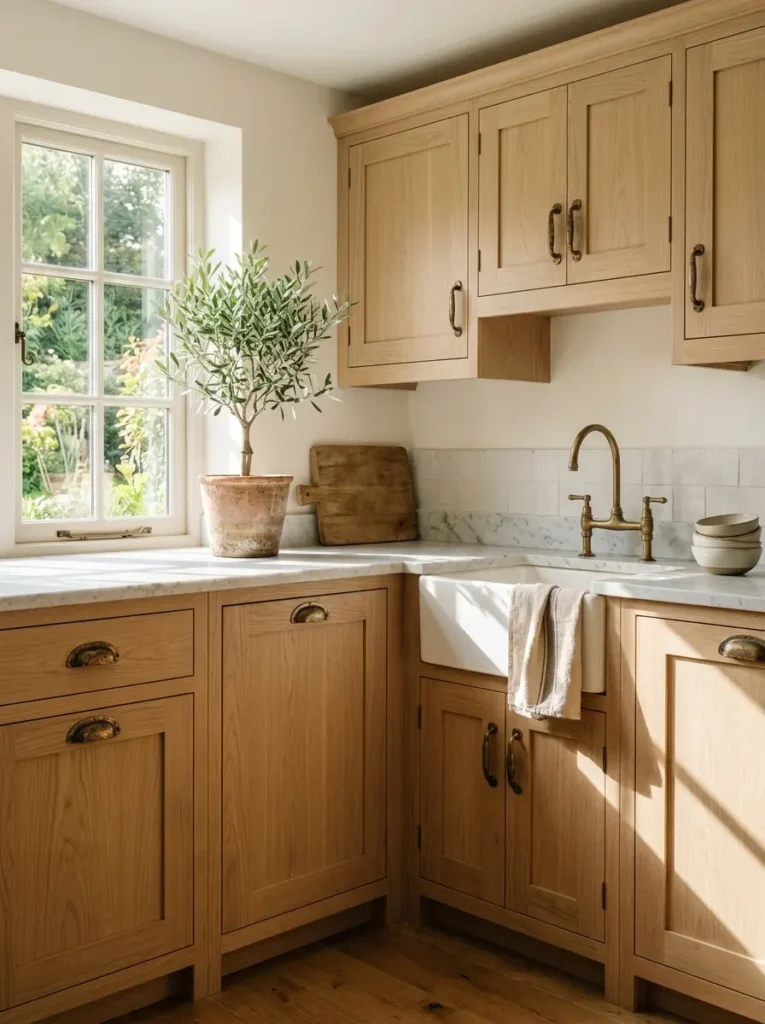
Inject some character into your cooking space by switching out your mass-produced fixtures in favor of reclaimed ones. Reclaimed metal hardware, especially in the form of antiqued brass and living bronze, brings the instant gravitas that perfect metal hardware just can’t capture. Hunting around architectural salvage yards and vintage stores for unlacquered pulls and hinges is an excellent choice for your sustainability efforts. These historical artifacts acquire a lovely patina as they age and respond to handling and the humidity levels in your kitchen.
Vintage cabinet hardware is not only a winning choice aesthetically but also the basis for sustainable kitchen decor design. Instead of adding to landfill levels of quality metals, you reuse them without incurring the environmental costs involved in the production of new hardware. The rich, warm tones and textures provided by these metals create a beautiful juxtaposition either against modern minimalist styles or traditional Shaker cabinets. Overall, by incorporating antique brass and bronze into your cooking space, you ensure you’re creating something truly unique and eco-friendly.
15. Common Missteps: Avoiding the “Eco-Trendy” Look for a More Refined Finish
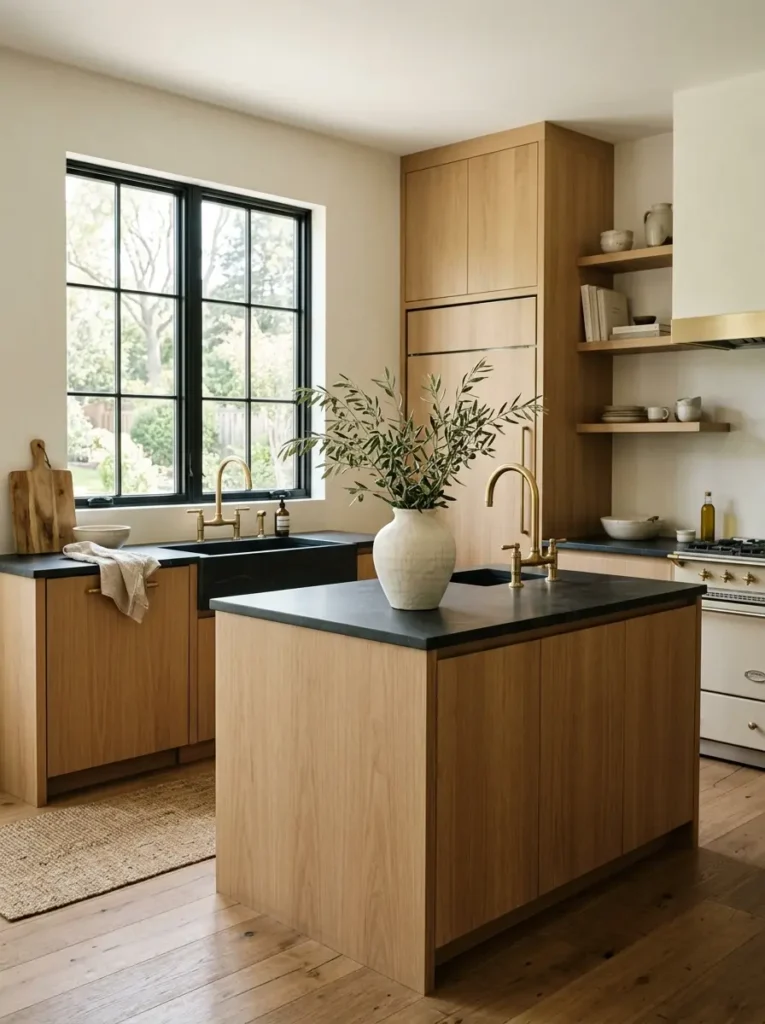
An authentic and eco-conscious look needs to break free from fleeting, fad-driven interior styles. Unfortunately, many people misinterpret eco-friendly home decor by incorporating cheap and kitschy interpretations of “green” into the kitchen space, such as plastic ivy garlands, overly distressed reclaimed wood features, and rebranded reusable tote bags. Although the intention is noble, the result is often messy and unsophisticated. Authentic eco-design should avoid the trendiness of novelty items in favor of embracing the unique textures of natural materials that are inherently beautiful.
When designing your space, look for high-quality and sustainable kitchen decor options that provide high-end aesthetics as well as ecological responsibility. In place of decorating with shallowly eco-inspired touches, incorporate architectural materials, such as long-lasting soapstone counters, sustainably harvested FSC-certified solid wood cabinets, and natural clay tile backsplashes. This combination allows for a sense of tactility without resorting to gimmicky design techniques. Then, enhance the space with high-end, yet environmentally responsible items such as hand-blown glass light fixtures, authentic brass hardware, and organic linens.
16. Flooring with Footprint in Mind: Chic Cork, Bamboo, and Local Stone Alternatives
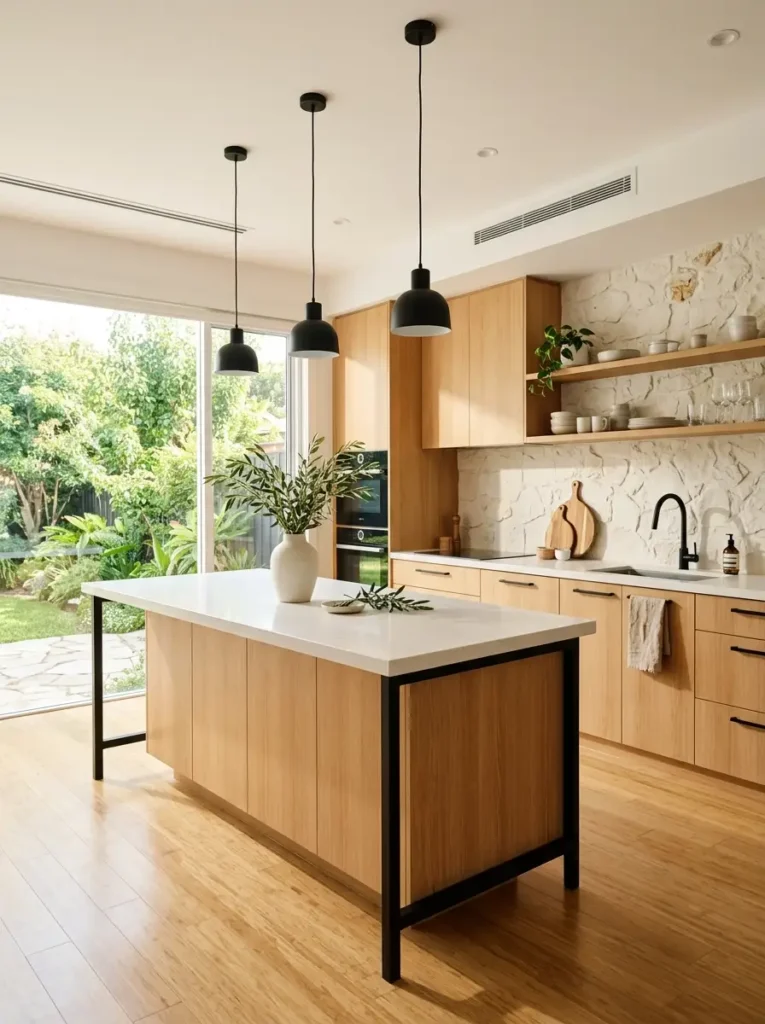
The transition to an environmentally friendly lifestyle starts from the bottom. The modern trend of sustainable kitchen decor involves using floors that combine sophisticated architecture with a very small environmental impact. Renewable flooring materials such as cork and bamboo create a highly durable and soft flooring surface as well as bringing a touch of nature to modern kitchens. In addition, local stone is always a good choice if one wants a rough yet stylish material that can be transported with low carbon footprint.
In any home design today in North America and the UK, these floors can form the basis of sustainable design solutions. Cork flooring provides excellent heat and noise insulation, while bamboo flooring will give a minimalistic Scandinavian touch combined with strength for daily use. Combining all of these sustainable kitchen decor elements with natural materials allows creating a unique and textured place where everyone feels comfortable and at home.
17. Scenting the Space: Organic, Non-Toxic Home Fragrances that Evoke Clean Luxury
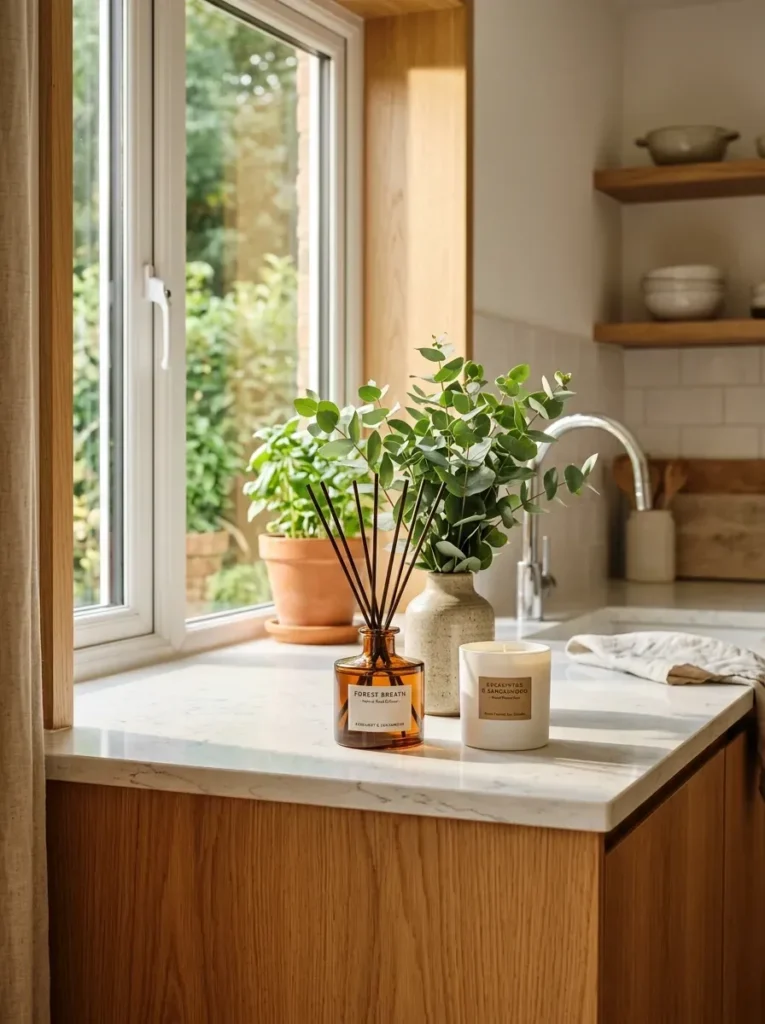
True sophistication in interior design goes beyond just design. Sensory experiences are used to create the desired, unique atmosphere. Bringing into your home environment pure natural aromatic home fragrances is all it takes to create a luxury and sophisticated ambience. More and more homeowners from across North America and the United Kingdom prefer pure essential oils and pure soy wax candles to conventional synthetic perfumes in order to maintain their indoor atmosphere at high-end standards without the use of harmful products.
Adding a few natural scents in common spaces will help you blend well with an ecological interior decor. For example, using an organic aroma such as a reed diffuser based on pure cedarwood infused with citrus aromas and sustainable kitchen decor will not only help to eliminate food smells, but also maintain an eco-friendly atmosphere. The addition of other organic aromas such as French lavender, wild eucalyptus, or amber to your interior decor will serve as a sensory design touch point creating a unique impression of the whole space.
18. The Final Polish: Curating Your Sustainable Kitchen Decor for the Long Haul
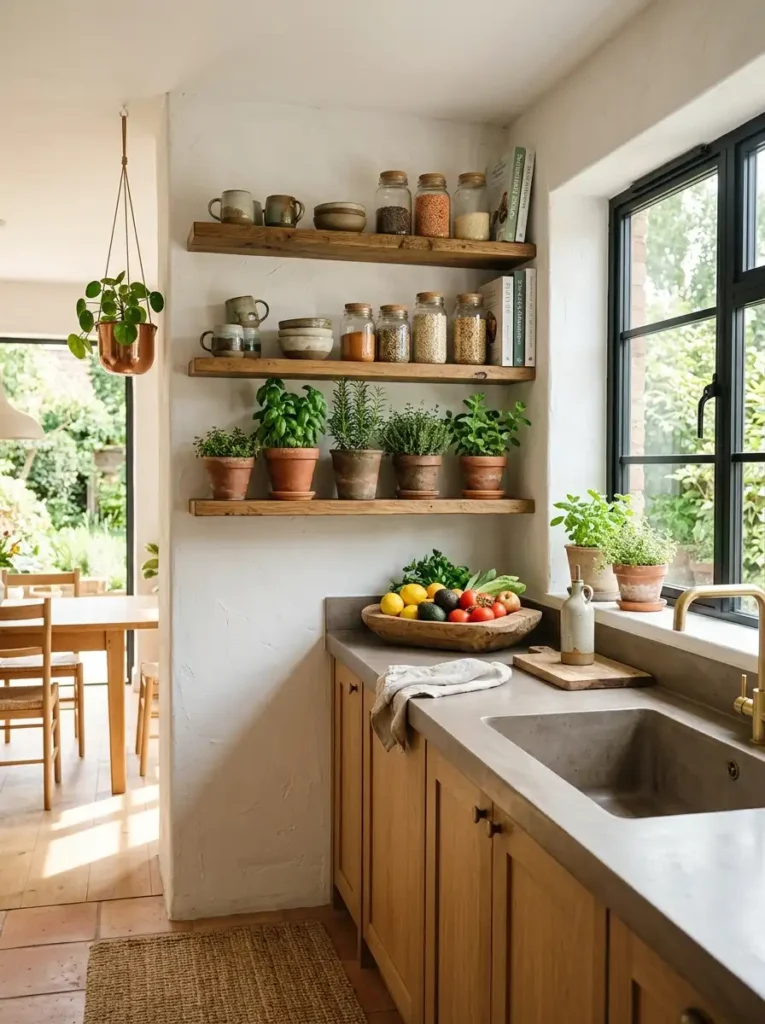
Incorporating timeless, sustainable elements is undoubtedly the greatest secret for creating premium spaces that stand the test of time. Instead of obsessing over temporary design trends, concentrate on using high-quality items like reclaimed wood shelving, organic cotton fabrics, and handmade hardware. Minimalistic sustainable kitchen decor creates a space where each piece contributes both aesthetically and functionally while offering a sense of subtle luxury. Choosing quality pieces that age beautifully allows one to create an atmosphere of coziness, sophistication, and profound respect for nature within their kitchen space.
Sustainable kitchens evolve over time and offer unparalleled durability. Bringing an element of tactility into your space by using recycled glass decanters, zero-waste ceramic dishware, and planted culinary herbs will give life to bright window sills. This design philosophy perfectly balances premium interior design with a conscious approach to styling and material choice. Sustainable kitchen décor brings a perfect blend of timeless elegance and eco-friendly living that appeals to contemporary homeowners across North America and the UK.
FINAL THOUGHTS
Sustainable kitchen decor is never a compromise; it’s a deliberate improvement. With the use of salvaged woods, eco-friendly paints, natural fabrics, and energy-saving devices, you get a kitchen that considers both the environment and your taste preferences. All those features such as antique brass fixtures and handcrafted stone vessels communicate your lifestyle choices. Sustainable kitchen decor makes a kitchen look peaceful, unique, and lavish – far from anything trendy and artificial. If you want to create a beautiful but sustainable home, then sustainable kitchen decor can be your best starting point.
Love saving home decor inspiration for later? Follow us on Pinterest for more curated ideas, mood boards, and design tips that’ll keep your creativity flowing — Vibed Home
Frequently Asked Questions
-
What does sustainable kitchen decor mean?
Sustainable kitchen decor means decorating your kitchen with eco-friendly, ethical, and durable products, such as reclaimed wood furniture, recycled glass countertops, low-VOC paint, and natural fabric linens.
-
Is sustainable kitchen decor still able to look luxurious?
Of course! Sustainable kitchen decor focuses on quality rather than quantity. Using items like FSC-certified oak cabinets, soapstone countertops, handmade pottery, and vintage brass fixtures will help you create an elegant interior design that is timeless and more upscale than trendy kitchens.
-
Which are the best sustainable materials for a kitchen?
Some of the best sustainable kitchen decor materials are reclaimed wood or FSC-certified woods, recycled glass, cork and bamboo flooring, local stone, organic hemp and Belgian flax linens, and non-toxic or mineral-based paints.
-
How can I integrate sustainable kitchen decor on a budget?
Incorporating sustainable kitchen decor into your kitchen design doesn’t have to be expensive, so start small! Swap out cheap linens for organic cotton or linen tea towels, use bamboo organizers instead of plastic organizers, add an herb garden indoors, and find vintage brass hardware.
-
Would sustainable kitchen decor be appropriate in contemporary houses in the US and UK?
Absolutely! Sustainable kitchen decor can easily adapt to modern and traditional styles in North America and Britain. Whether you have an urban loft or countryside kitchen, sustainable materials such as reclaimed oak, natural stones, and energy-efficient lighting will perfectly fit both modern and traditional interiors.
-
Does sustainable kitchen decor require energy-efficient appliances?
Yes, sustainable kitchen decor requires energy-efficient appliances, including induction stoves and water-saving dishwashers. The latter could be finished in matte black or brushed brass and panelized to match your kitchen cabinet doors and make your sustainable kitchen look complete.
-
What are some common mistakes I should avoid when decorating my sustainable kitchen?
The most common mistake people make in sustainable kitchen decorating is purchasing “eco-trendy” items, including plastic ivy decorations, overly distressed furniture, and other items that may not really serve sustainability.